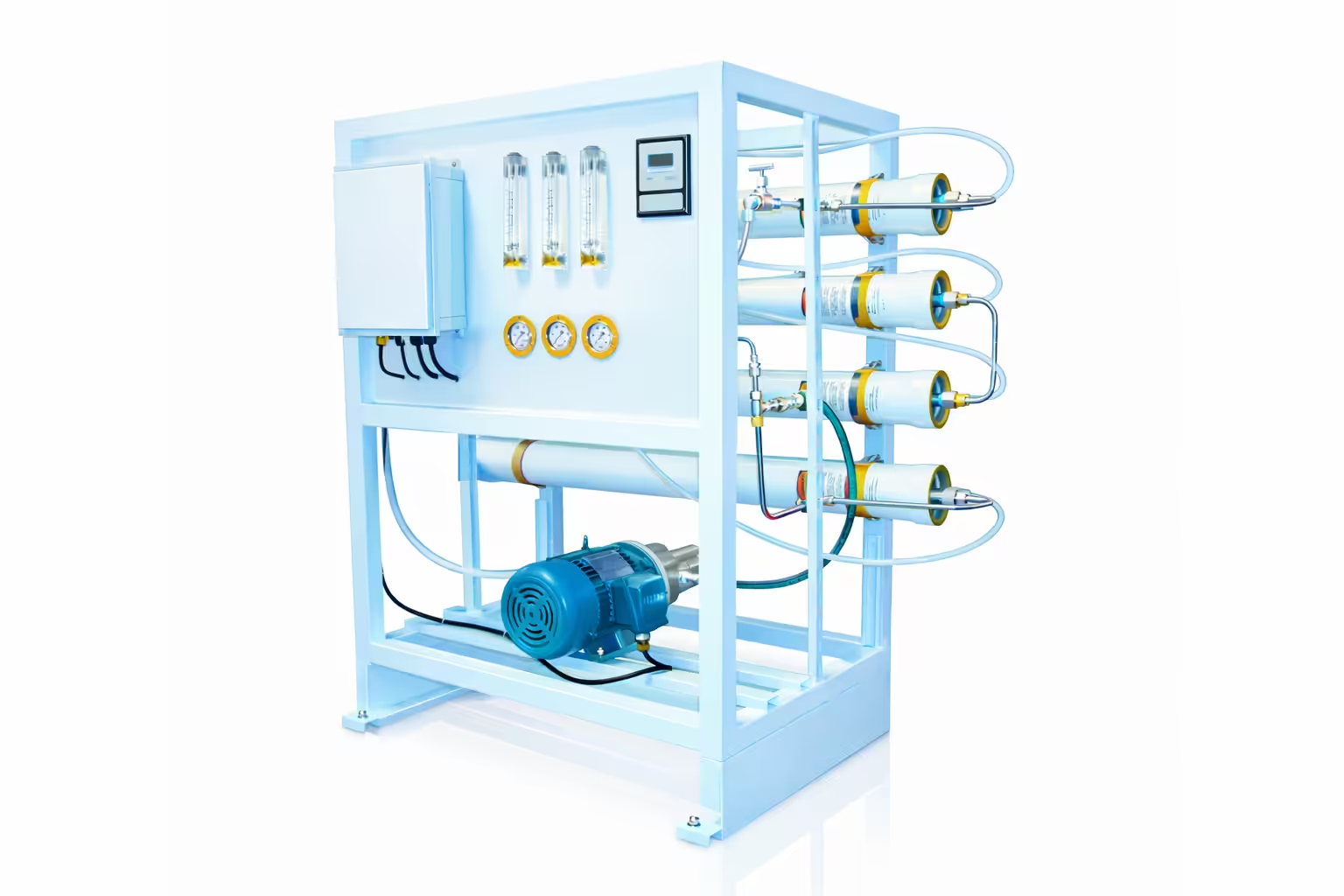
Danfoss APP pumps are widely used in seawater reverse osmosis systems. However, SWRO system integrators may need a more cost-effective high-pressure pump to improve project competitiveness, while pump service companies may need a faster replacement when an installed APP pump fails, is too expensive to replace or cannot be delivered within the required maintenance window.
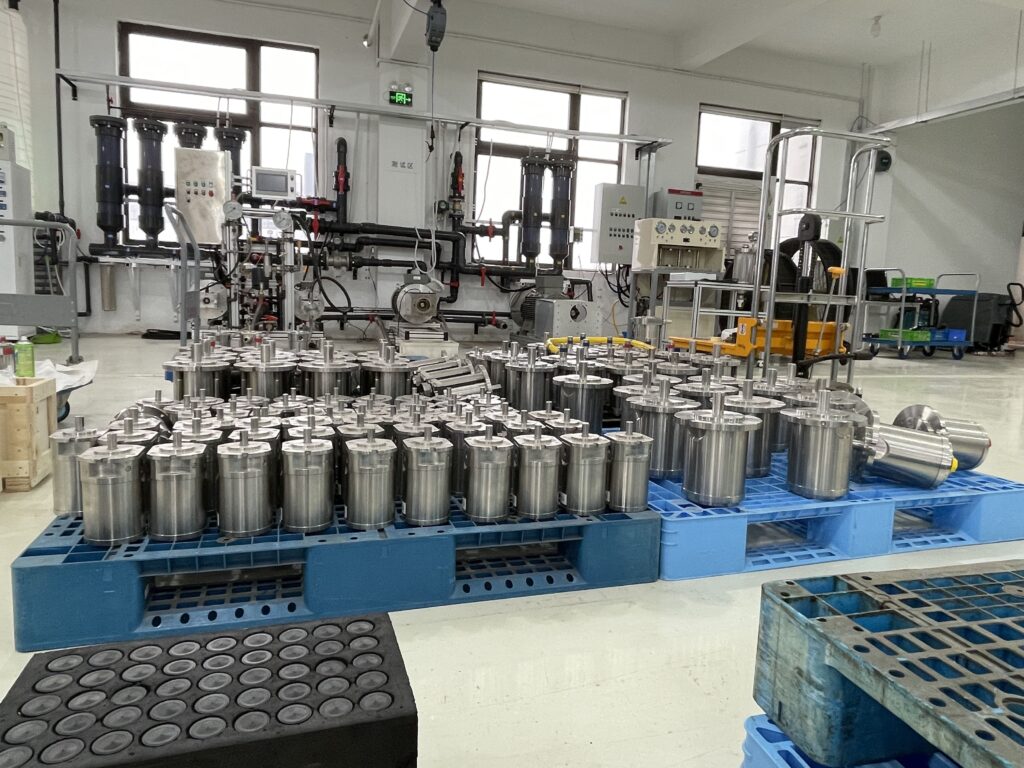
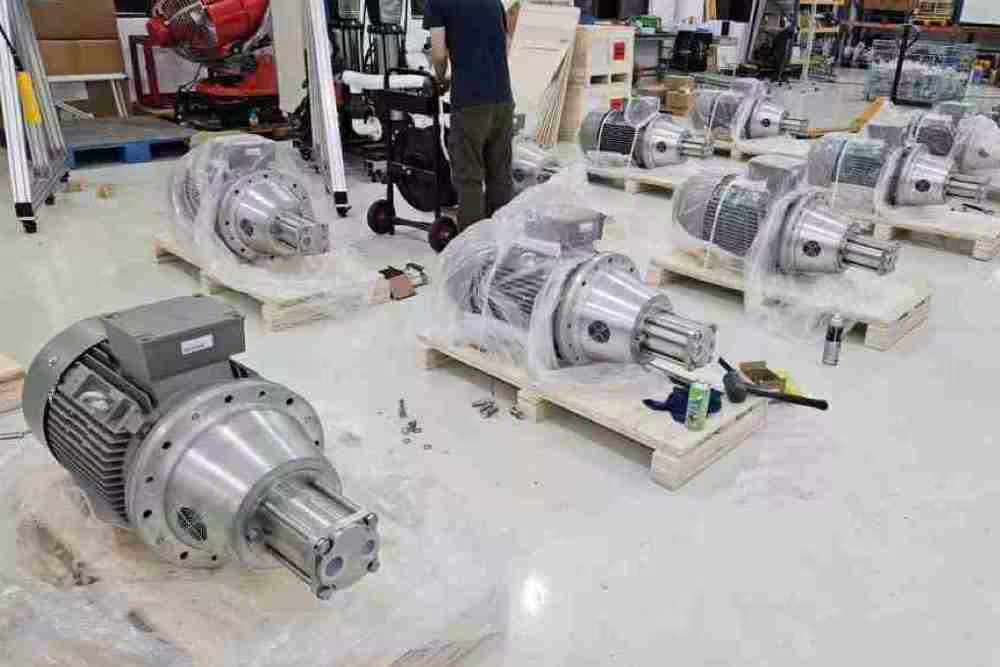
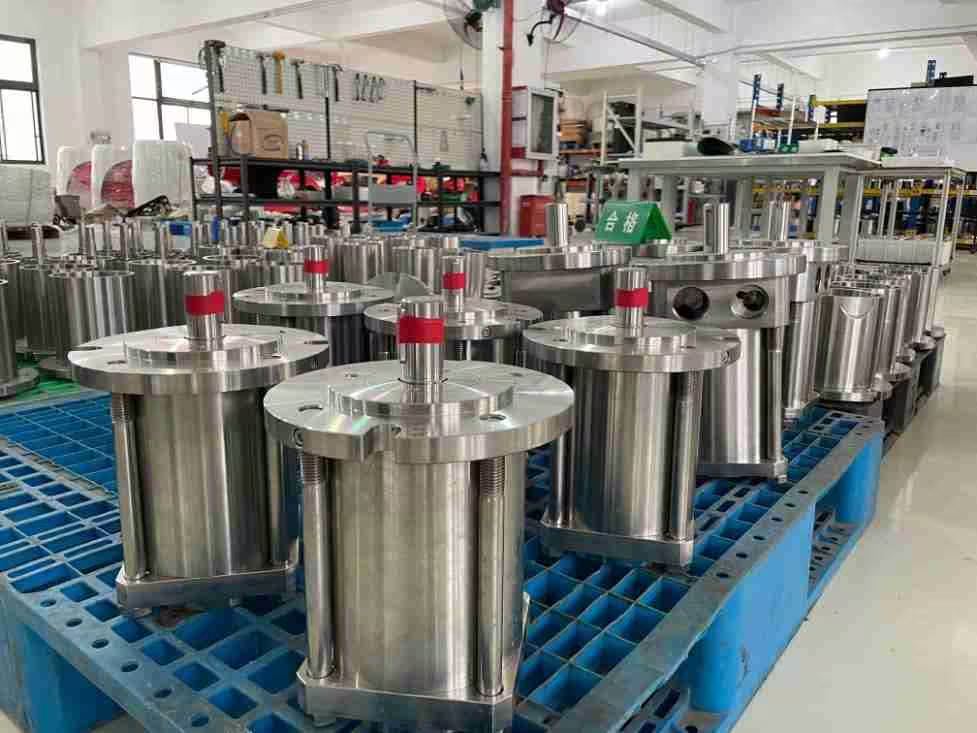
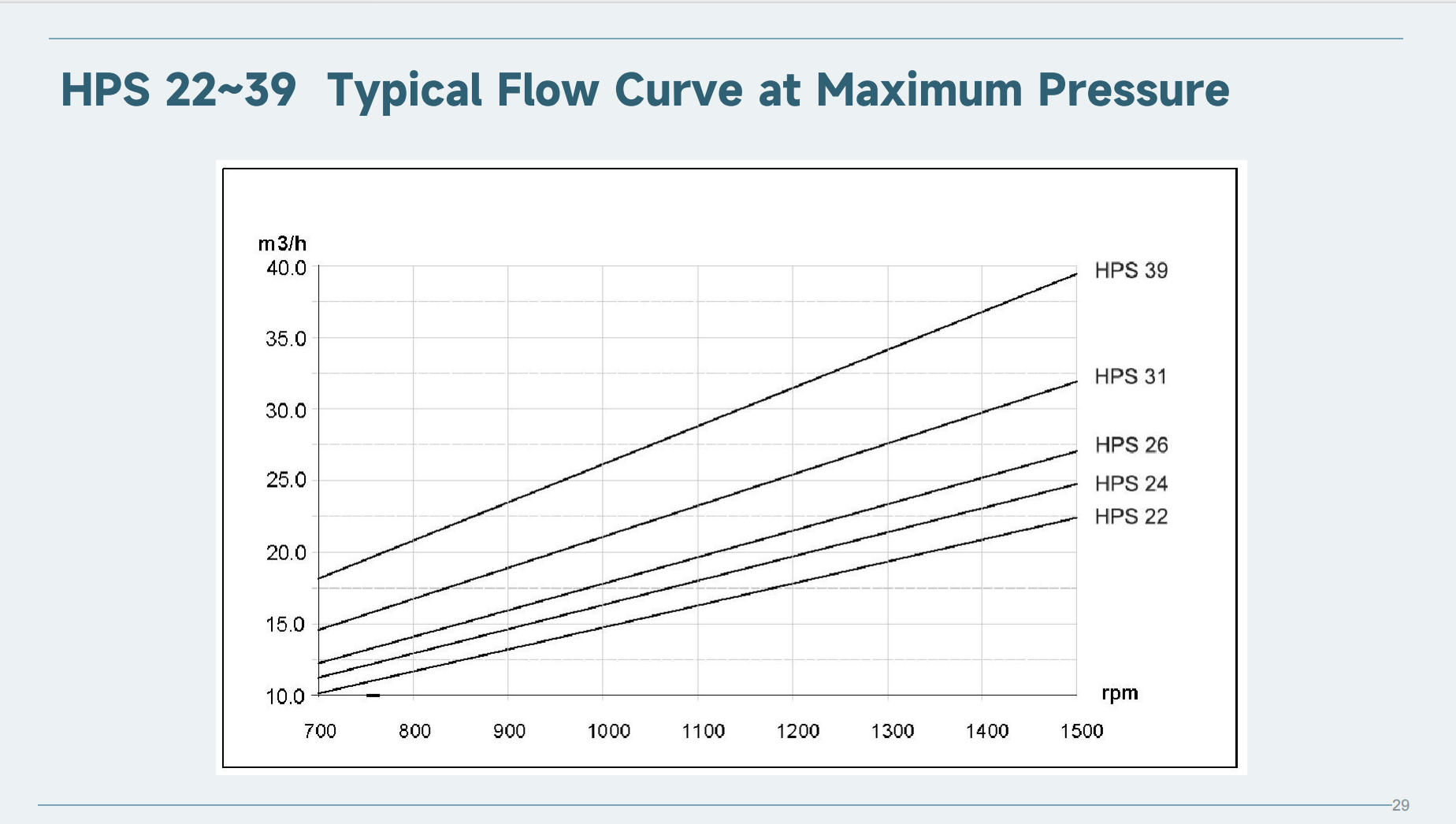
The Rohre HPS31 is a large-flow axial piston pump designed for high-pressure seawater applications. Its displacement, rated speed and published flow are closely matched to the Danfoss APP 30/1500, making it a relevant candidate for replacement evaluation.
This article explains:
- How the two models compare
- Which operating conditions HPS31 can potentially cover
- Whether the existing motor and VFD can be retained
- What may need to be modified
- What information is required for a replacement quotation
Why Are You Looking for an APP 30/1500 Alternative?
Customers generally evaluate an alternative for one of two reasons.
a. Cost Reduction for New SWRO Projects
Many SWRO system integrators already have experience using Danfoss APP pumps. The technology is familiar, but the pump cost may affect project competitiveness—particularly when several pumps are required across multiple SWRO trains.
For these customers, the main questions are:
- Can HPS 31 meet the required flow and pressure?
- Can the existing motor, VFD and ERD arrangement be retained?
- Will the pump require a major skid redesign?
- Are drawings, performance data and test documents available?
- Can Rohre support repeat or multi-pump projects?
- What is the total cost advantage after integration?
The objective is not simply to purchase a lower-priced pump. It is to reduce total project cost while keeping engineering and delivery risks under control.
b. Replacement of an Installed Pump
Pump repair and maintenance companies usually have a more urgent requirement. An installed APP 30/1500 may need replacement, but the cost or delivery time of the original pump may not meet the customer’s budget or shutdown schedule.
Their main concerns are:
- Can the replacement restore the required system output?
- Can the existing motor and VFD be retained?
- Will the coupling or bell housing need to be changed?
- Are baseplate or piping modifications required?
- How quickly can the replacement be confirmed and supplied?
- Who will verify hydraulic and mechanical compatibility?
For these customers, delivery time and modification scope may be just as important as pump price.
Rohre HPS 31 vs. Danfoss APP 30/1500
The comparison below uses the currently published specifications for each model.
| Parameter | Rohre HPS 31/1500 | Danfoss APP 30/1500 | Replacement consideration |
|---|---|---|---|
| Pump type | Axial piston pump | Axial piston pump | Similar operating principle |
| Application | High-pressure seawater service | Sea or brackish water | Same general application |
| Geometric displacement | 360 cc/rev | 362 cc/rev | Closely matched |
| Published maximum flow | 31.65 m³/h | 31.9 m³/h | Closely matched |
| Flow reference speed | 1500 rpm | 1500 rpm | Same comparison speed |
| Maximum published speed | 1500 rpm | 1500 rpm | Same published maximum speed |
| Maximum published outlet pressure | 70 barg | 83 barg | HPS31 has a lower pressure limit |
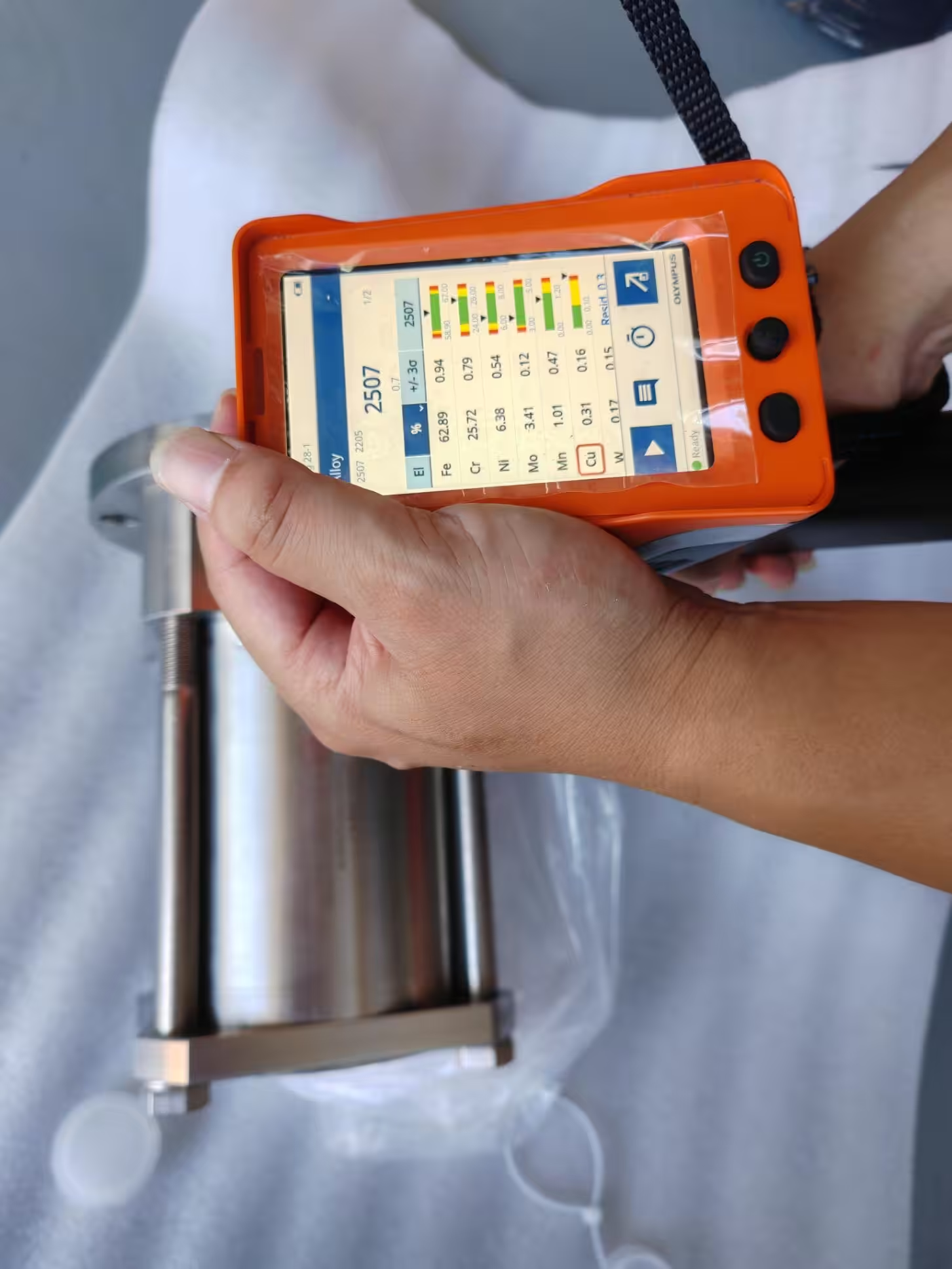
| HPS31 material options | Super Duplex 2507 | Duplex body; verify complete configuration | Confirm wetted materials |
| Mechanical interchangeability | Requires verification | Existing reference pump | Dimensions must be compared |
Rohre currently lists the HPS31 at 360 cc/rev, 31.65 m³/h at 1500 rpm and a maximum outlet pressure of 70 barg. Danfoss lists the APP 30/1500 at 362 cc/rev, a maximum flow of 31.9 m³/h, a maximum speed of 1500 rpm and a maximum outlet pressure of 83 barg. Rohre HPS technical data, Danfoss APP 30/1500 product data
Is HPS31 a Suitable APP 30/1500 Replacement?
Yes—when the required operating pressure does not exceed the approved HPS31 limit.
The two pumps have:
- Nearly identical geometric displacement
- Nearly identical published flow
- The same 1500 rpm reference speed
- The same published maximum speed
This gives the HPS31 a strong hydraulic basis for APP 30/1500 replacement evaluation.
The most important limitation is pressure.
The APP 30/1500 is published for outlet pressure up to 83 barg, while the HPS 31 is currently published for a maximum of 70 barg. Therefore:
- If the existing system operates at approximately 55–70 barg, HPS31 may be suitable for further evaluation.
- If the system requires more than 70 barg, HPS 31 must not be selected based only on its similar displacement and flow.
- The normal operating pressure, maximum operating pressure and relief-valve setting must all be checked.
Can the Existing Motor, VFD and ERD Be Retained?
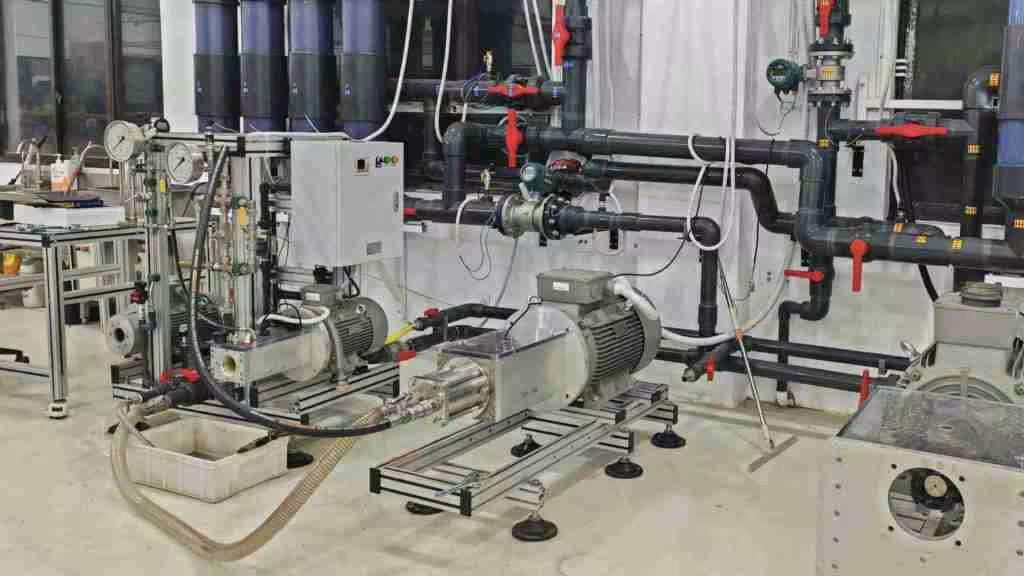
The close displacement and identical published maximum speed provide a good starting point for retaining the existing drive system. However, final compatibility still depends on the actual operating point and mechanical interface.
| Existing component | Preliminary answer | Required verification |
|---|---|---|
| Electric motor | May be retained | Power, torque, speed, frequency and frame |
| VFD | May be retained | Capacity, current settings and speed range |
| ERD | May be retained | Flow balance, pressure and control logic |
| Coupling | Retain or replace | Shaft dimensions, keyway and rated torque |
| Bell housing | Retain or replace | Pump flange, motor flange and alignment |
| PLC and interlocks | May require adjustment | Pressure limits and protection settings |
Existing Motor
The existing motor may be retained if it can provide sufficient power and torque at the required HPS31 operating point.
Rohre should verify:
- Motor-rated power
- Rated speed and frequency
- Actual VFD frequency
- Normal and maximum operating pressure
- Required flow
- Available power and torque margin
- Motor frame and mounting flange
- Rotation direction
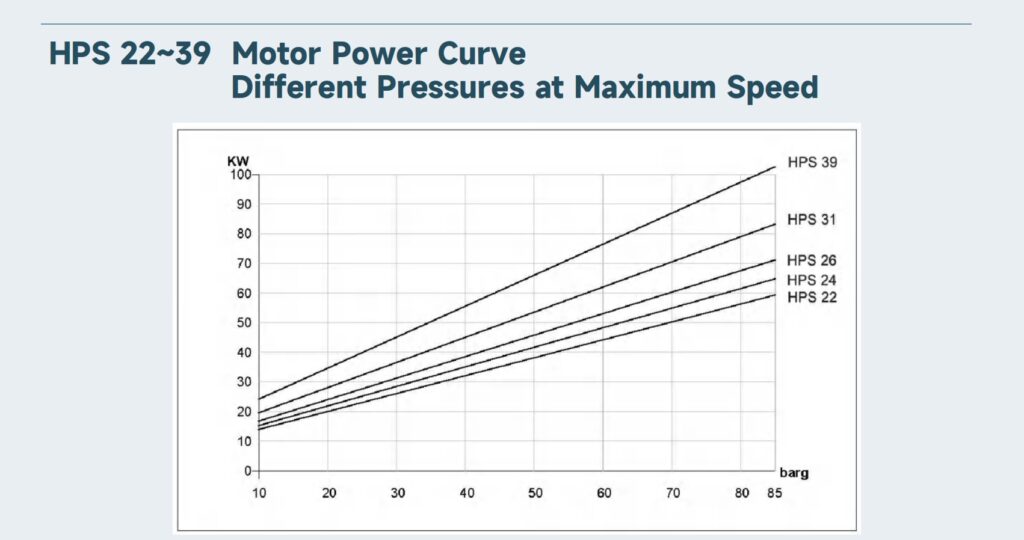
The closely matched displacement suggests a similar theoretical torque requirement at the same differential pressure, but it does not prove that the two pumps have identical shaft-power or efficiency characteristics.
Final approval should be based on the HPS 31 performance data for the required operating point.
Existing VFD
The existing VFD may be retained if:
- It is correctly sized for the motor
- The required flow can be achieved within the approved HPS31 speed range
- The motor can provide sufficient torque
- Acceleration and deceleration settings are suitable
- Existing alarms and interlocks remain effective
Because both pumps have a published maximum speed of 1500 rpm, a speed increase above 1500 rpm should not be required to achieve their respective published maximum flows.
Existing ERD
If the SWRO system uses an energy recovery device, confirm:
- High-pressure pump flow
- Membrane feed flow
- Brine flow
- ERD capacity
- Operating pressure
- VFD control relationship
- Start-up and shutdown sequence
Although the published pump flows are closely matched, the complete hydraulic balance must still be reviewed before commissioning.
What May Need to Be Modified?
Close hydraulic performance does not guarantee identical external dimensions or connection arrangements.
Before ordering, the APP 30/1500 installation should be compared with the HPS31 dimensional drawing.
| Installation item | Possible action |
|---|---|
| Electric motor | Retain if power, torque and frame are suitable |
| Flexible coupling | Retain or replace according to shaft dimensions |
| Bell housing | Verify compatibility or provide an adaptor |
| Baseplate | Check mounting holes and shaft centerline |
| Inlet piping | Verify connection size, position and inlet pressure |
| Outlet piping | Verify size, position and pressure rating |
| VFD settings | Adjust for the approved operating point |
| Relief valve | Confirm setting does not exceed HPS31 limit |
| PLC and interlocks | Review high-pressure trip and protection settings |
| ERD control | Confirm flow and pressure balance |
Shaft and Coupling
Compare the following dimensions individually:
- Shaft diameter
- Shaft extension length
- Key and keyway dimensions
- Coupling bore
- Coupling torque rating
- Distance between shaft ends
- Rotation direction
A coupling must not be selected by shaft diameter alone. Its rated speed and torque must also be suitable.
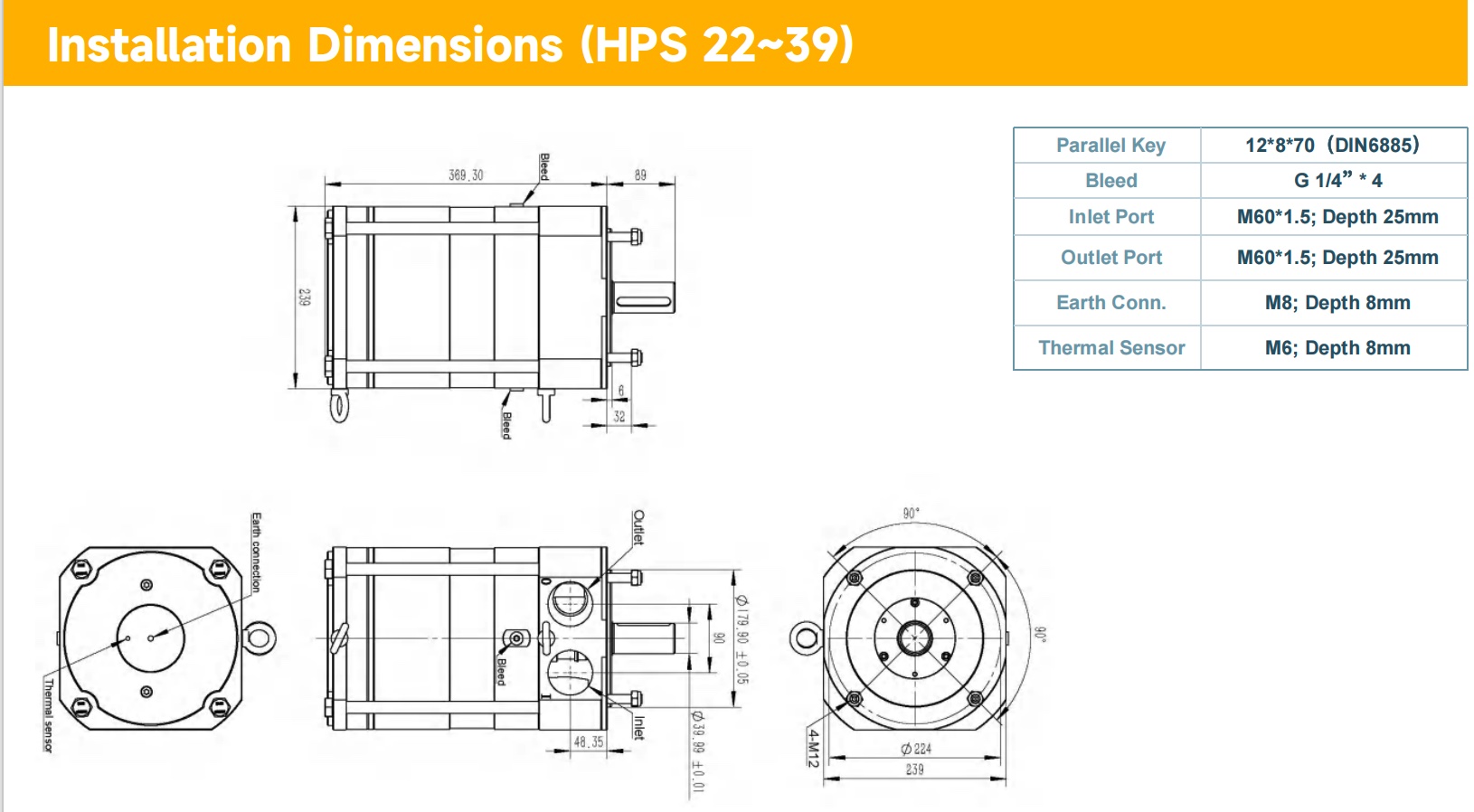
Bell Housing and Baseplate
The existing bell housing may require replacement or modification if the mounting flange and pilot dimensions differ.
The baseplate should be checked for:
- Pump mounting dimensions
- Bolt-hole positions
- Shaft centerline height
- Available installation space
- Maintenance access
Pump and motor alignment must be verified after installation.
Piping Connections
The inlet and outlet connections must be checked for:
- Connection size
- Thread or flange standard
- Connection position
- Pressure rating
- Required adaptors
- Available piping support
The piping must not impose excessive external load on the pump.
Pressure Protection
This is particularly important because the two pumps have different published pressure limits.
If the original system was designed around an APP 30/1500 operating envelope above 70 barg, replacing it with HPS31 requires a review of:
- Normal operating pressure
- Maximum transient pressure
- Relief-valve setting
- High-pressure alarm
- High-pressure shutdown setting
- Membrane design pressure
- Flushing and start-up sequence
The protection settings must prevent the HPS31 from being exposed to pressure above its approved limit.
Compare Total Cost—not Pump Price Alone
The correct comparison is the total installed cost rather than the pump purchase price alone.
The evaluation should include:
- Pump price
- Freight and import duties
- Coupling and bell-housing requirements
- Baseplate or piping modifications
- Installation and alignment
- Commissioning
- Spare parts
- Delivery time
- System downtime
- Future maintenance support
For SWRO System Integrators
For new or repeat SWRO projects, compare:
- Number of pumps required
- Cost per SWRO train
- Motor and VFD compatibility
- ERD integration
- Factory performance testing
- Drawings and technical documents
- Spare-parts availability
- Production and delivery schedule
- Repeatability across multiple skids
The objective is to improve project competitiveness without creating unnecessary redesign or commissioning risk.
For Pump Service Companies
For an installed pump replacement, also consider:
- Cost of system downtime
- Time required for site modification
- Availability of coupling and mounting components
- Installation labour
- Commissioning time
- Risk of extending the shutdown window
A lower-priced replacement can deliver significant value when it is available sooner and requires only manageable changes. The installation scope must therefore be identified before the final commercial comparison is made.
What Should You Send Rohre?
The initial replacement check requires only four items:
- Existing pump nameplate
- Existing motor nameplate
- Required operating flow
- Normal and maximum operating pressure
If available, also provide:
- VFD settings
- Actual pump speed
- Installation photographs
- Pump and motor drawings
- Coupling and bell-housing details
- Inlet and outlet connection dimensions
- ERD type and operating data
- Relief-valve and high-pressure trip settings
- Required delivery date
Rohre can then evaluate:
- Whether HPS 31 is the correct model
- Whether the required pressure is within its approved range
- Motor and VFD compatibility
- Expected operating speed
- Likely mechanical modifications
- Required piping adaptors
- Material configuration
- Production and delivery schedule
Choose the Right Evaluation Route
Existing APP 30/1500 Replacement
For an installed pump replacement, send us:
- Pump nameplate
- Motor nameplate
- Operating flow and pressure
- Installation photographs
- Required delivery date
Rohre will review hydraulic suitability, motor compatibility, pressure limitations and likely site modifications before quotation.
New or Repeat SWRO Project
For a new project or repeat SWRO package, send us:
- Required flow and pressure
- Number of pumps
- Motor specification
- ERD configuration
- Project location
- Required delivery date
Rohre will provide a model selection, technical documents and project-specific commercial proposal.
Conclusion
The Rohre HPS 31 is a strong candidate for Danfoss APP 30/1500 replacement evaluation because the two pumps have closely matched displacement, published flow and maximum speed:
- HPS 31/1500: 360 cc/rev and 31.65 m³/h at 1500 rpm
- APP 30/1500: 362 cc/rev and up to 31.9 m³/h at 1500 rpm
The main limitation is pressure. HPS31 is currently published for a maximum of 70 barg, while APP 30/1500 is published for up to 83 barg.
Therefore, HPS 31 is best positioned for systems operating within 70 barg. Applications above this limit require another pump selection or written engineering confirmation.
Trademark Notice
Danfoss and APP are trademarks of their respective owners. Rohre Pumps is not affiliated with, endorsed by or sponsored by Danfoss. References to third-party brands and model numbers are made solely for product identification and technical comparison.