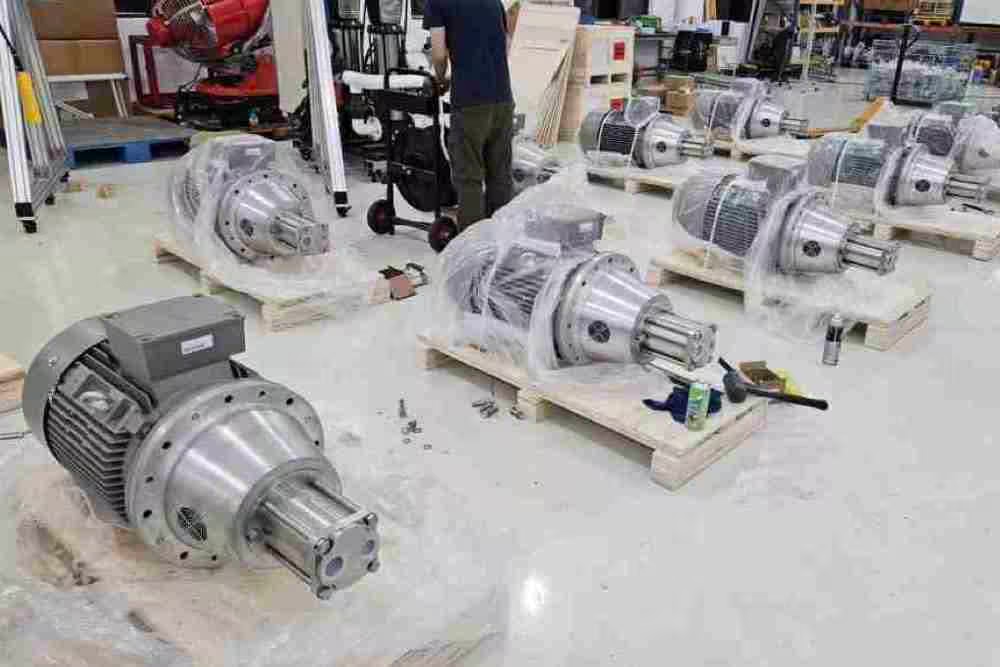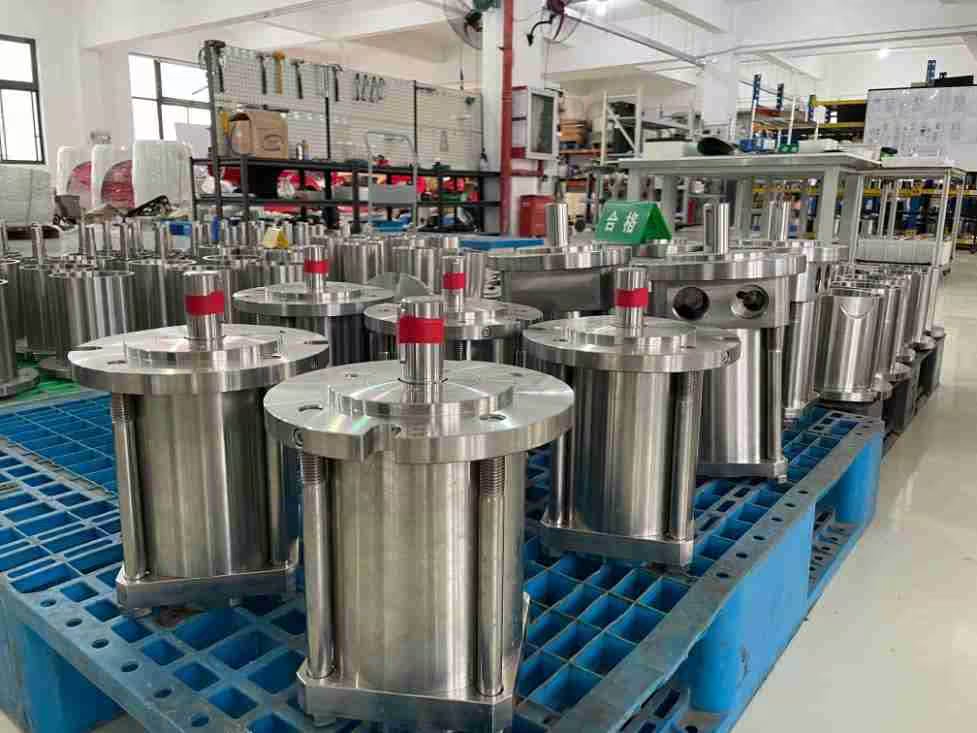
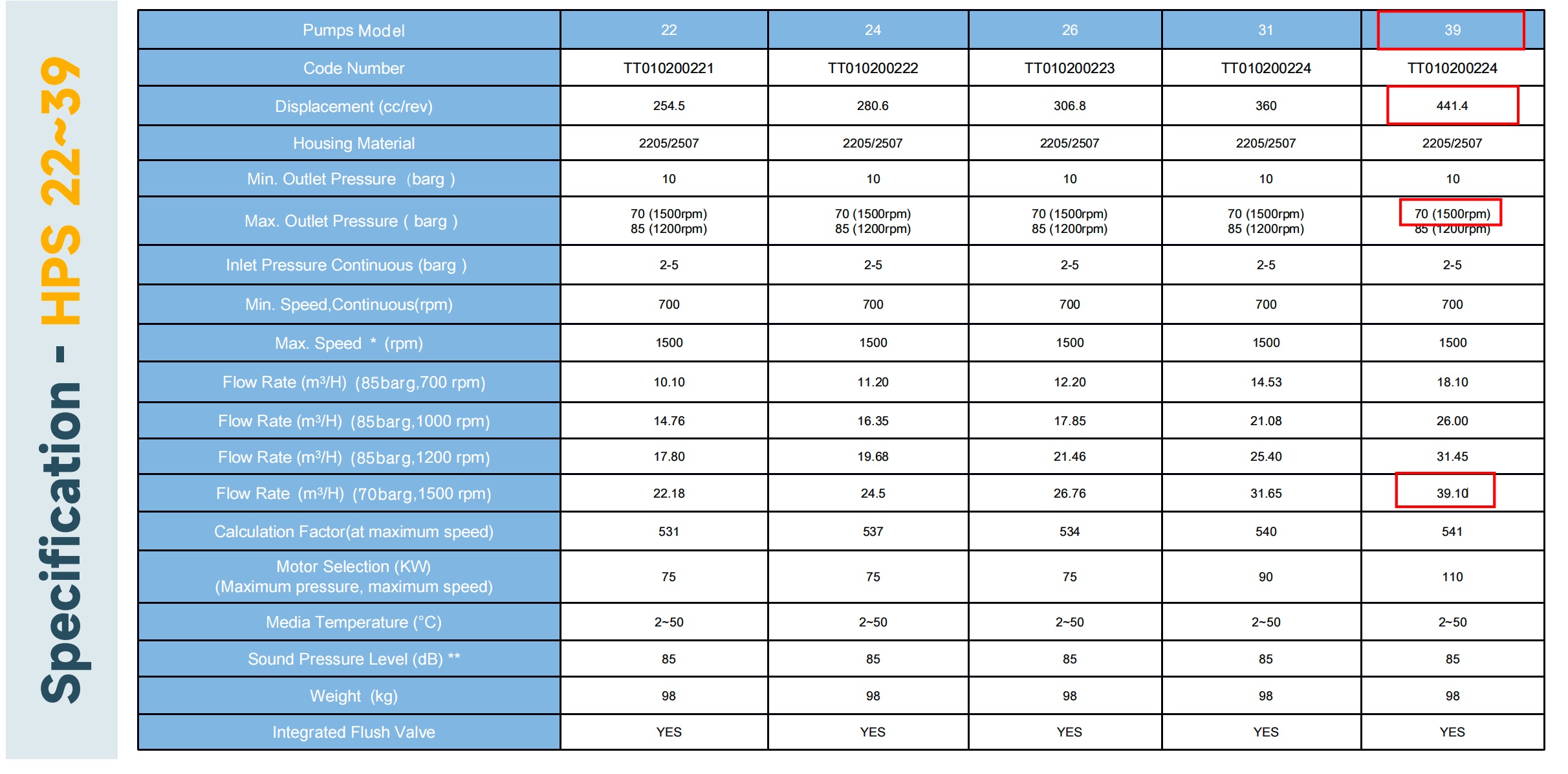
The Rohre HPS 39 is a heavy-duty axial piston high-pressure pump featuring a geometric displacement of 441.4 cc/rev, engineered as a near-perfect volumetric match to the Danfoss APP 43/1700 (444 cc/rev). Operating at a continuous 70 barg, the HPS 39 delivers exactly 39.10 m³/h at 1500 rpm. For Seawater Reverse Osmosis (SWRO) system integrators, this close volumetric alignment allows the HPS 39 to act as a highly compatible, budget-disruptive alternative—slashing legacy European procurement CAPEX by 1/5 to 1/8 while offering a pump option for duty-point verification. Similar displacement does not by itself confirm identical shaft power or torque. Check the pump curves and motor loading at the required operating point.
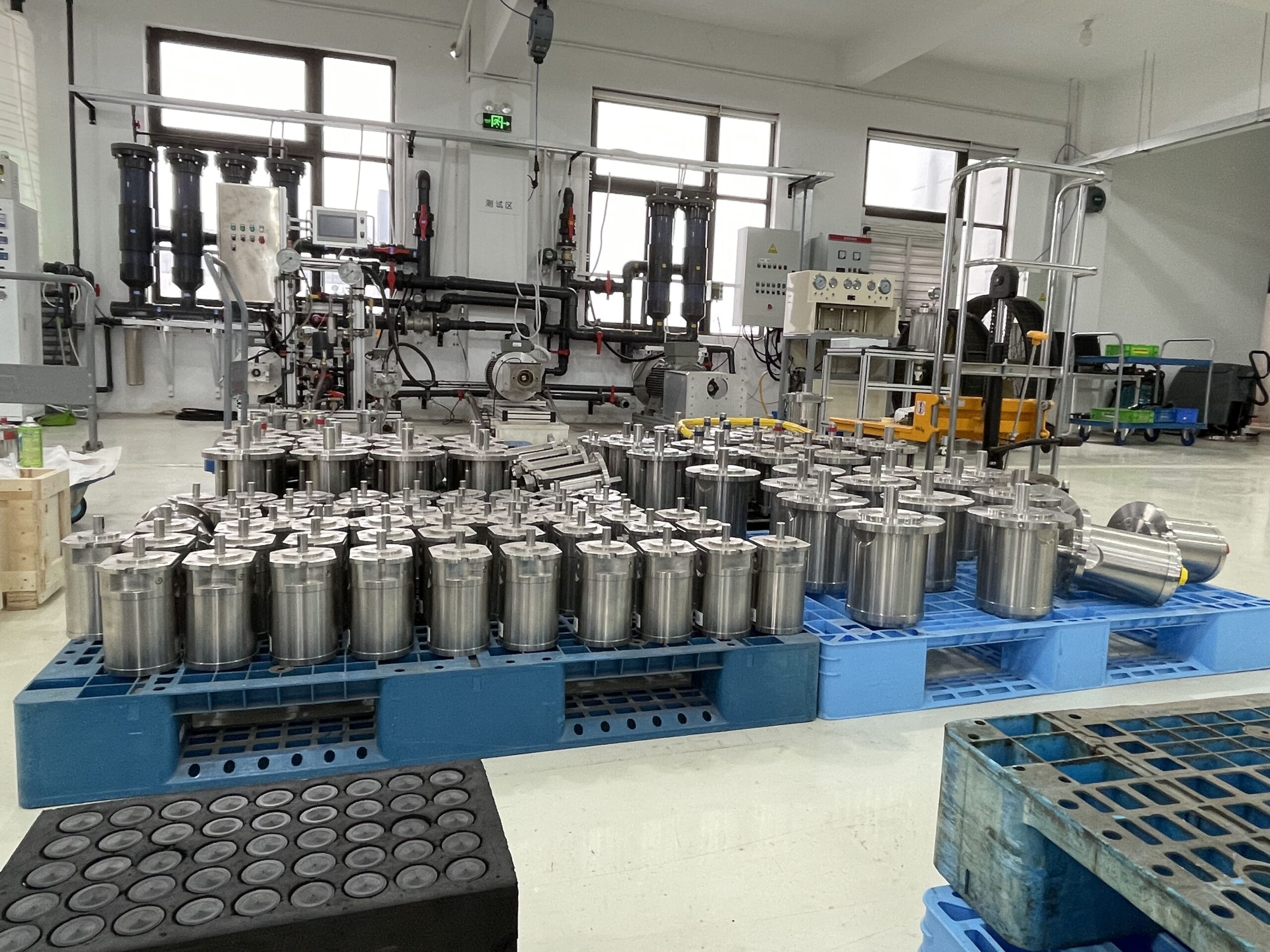
For reverse osmosis system integrators (SIs) and water treatment EPC contractors, sourcing high-pressure pumps that can replace legacy infrastructure without altering the existing electric motor configuration is the ultimate goal for cost optimization.
Recently, our engineering team evaluated a direct field comparison between the Danfoss APP 43/1700 and the Rohre HPS 39. By analyzing the official manufacturer specification sheets, we can provide a definitive compatibility guide for engineering teams looking to retrofit their systems.
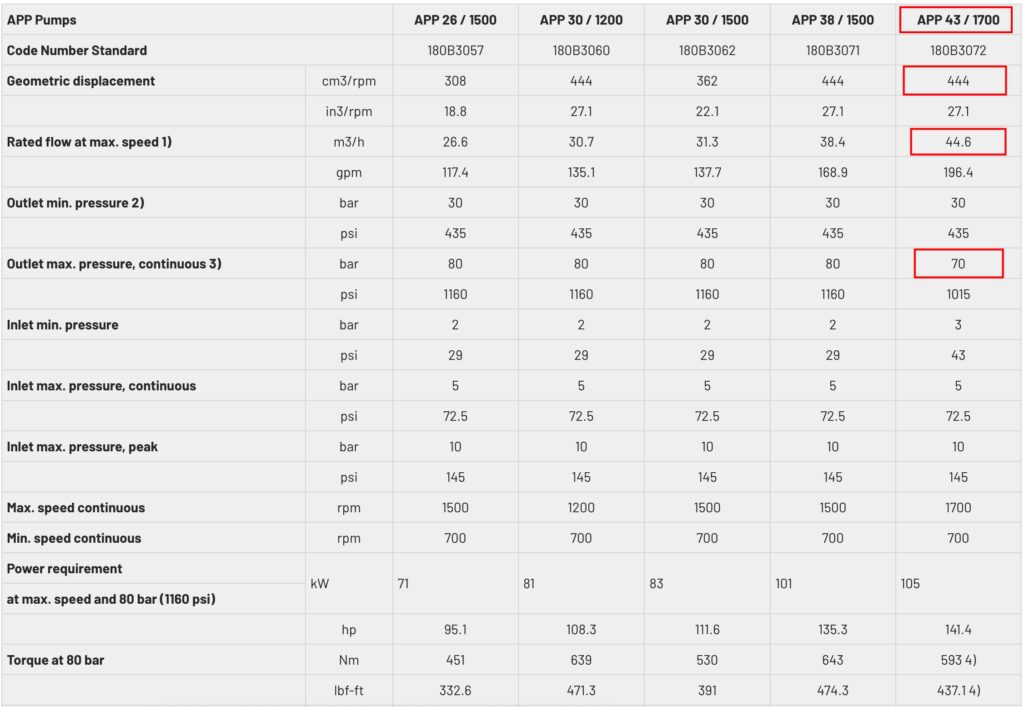
Danfoss APP 43 Specifications
Rohre HPS 39 Specifications
Volumetric Mapping: A Near-Perfect Match
When swapping axial piston pumps, matching the geometric displacement (cc/rev or cm^3/rpm) is critical because it dictates the torque requirement of your existing electric motor. The data reveals an incredibly close alignment:
- Danfoss APP 43 @1700RPM: Features a geometric displacement of 444 cc/rev. At its maximum speed of 1700 rpm, it delivers a rated flow of 44.6 m³/h at a continuous maximum pressure of 70 bar.
- Rohre HPS 39 @1500RPM: Features a geometric displacement of 441.4 cc/rev. Running at a standard motor speed of 1500 rpm, it delivers a rated flow of exactly 39.10 m³/h at a continuous maximum pressure of 70 barg.
Note on Flow Rates: The published HPS 39 flow is 39.10 m³/h at 70 barg / 1500 rpm and 31.45 m³/h at 85 barg / 1200 rpm. Compare each pump at the required operating point using its applicable performance curves; similar displacement alone does not establish identical volumetric efficiency.
Proven Field Deployment: The Caspian Sea Technical Verification
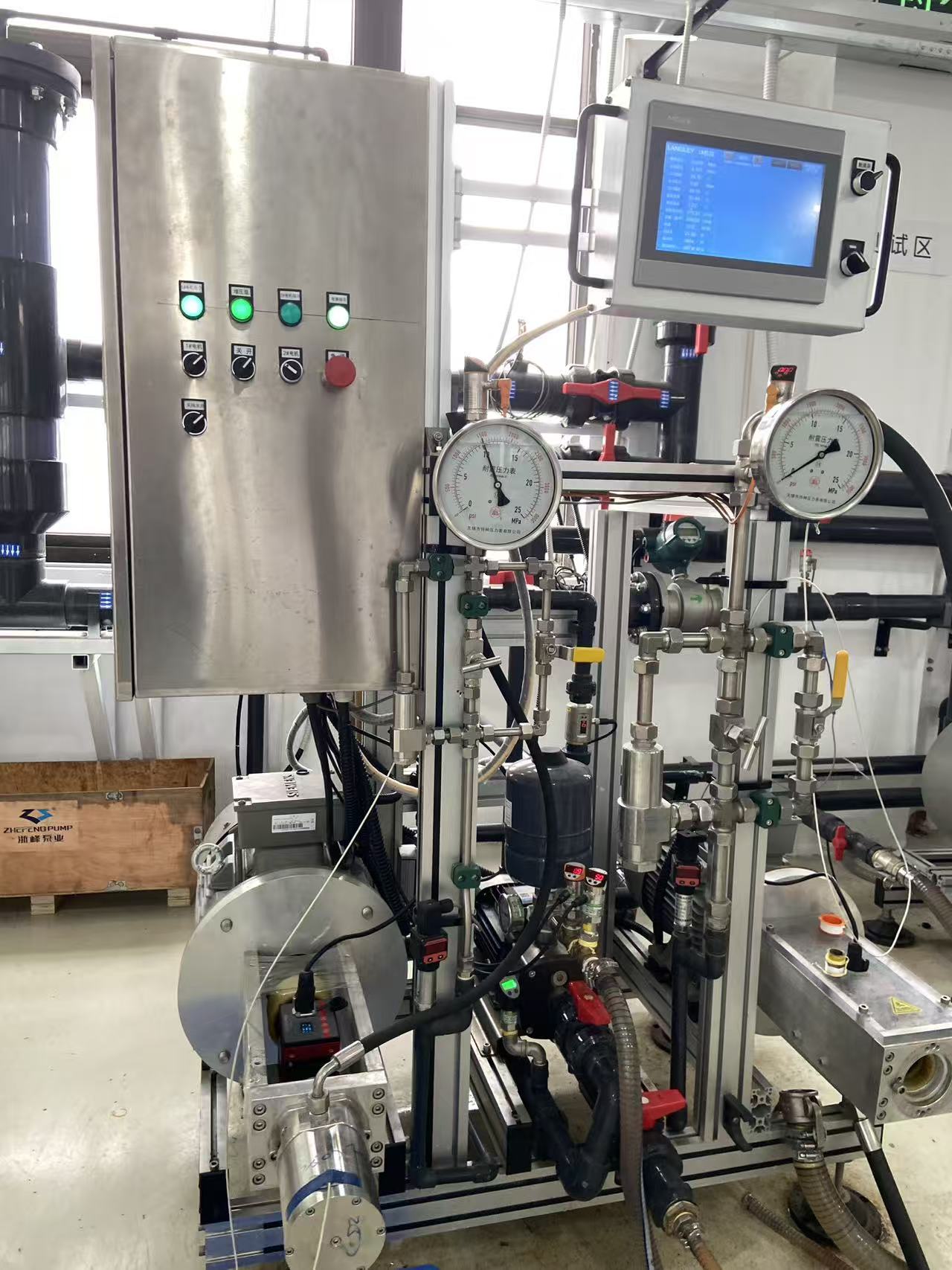
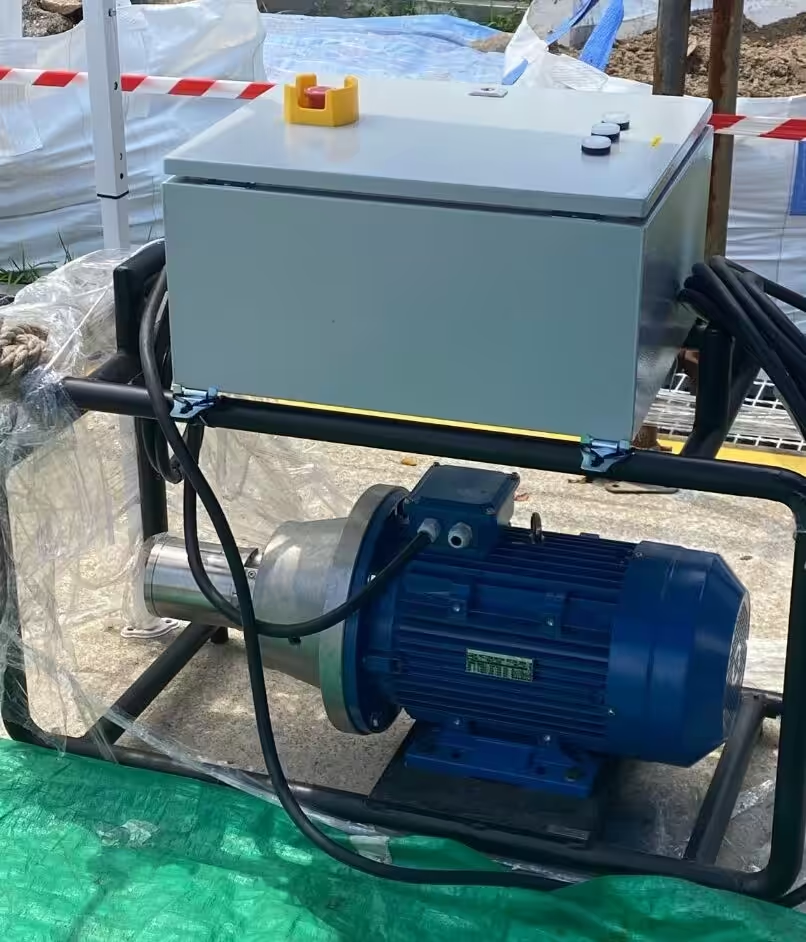
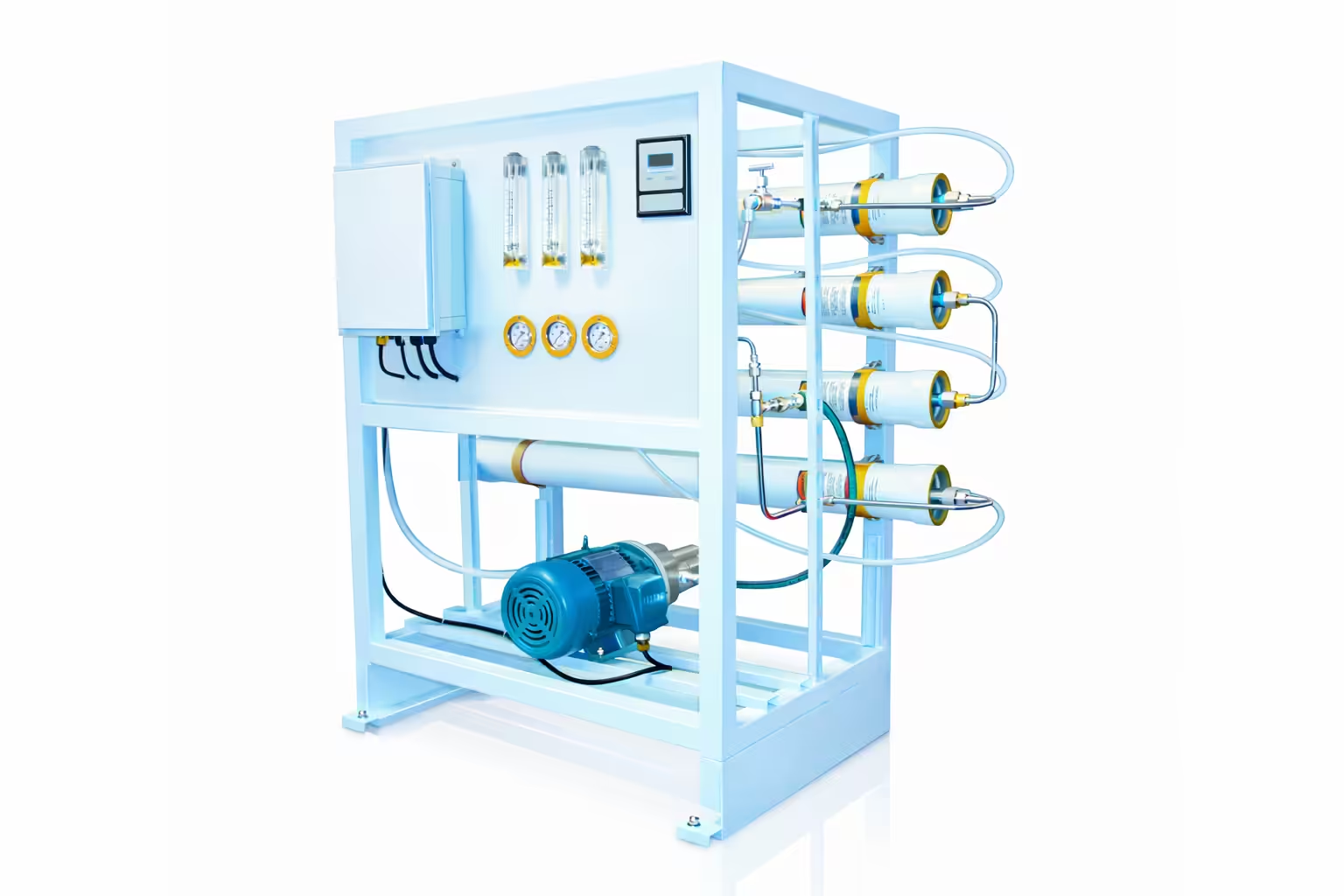
Material and hydraulic verification under challenging environmental conditions is the ultimate test for any high-pressure axial piston pump. To validate the real-world durability of our large-flow series, the Rohre HPS 39 has been successfully integrated into a modular SWRO (Seawater Reverse Osmosis) installation in the Caspian Sea region, specifically handling coastal industrial process water infrastructure.
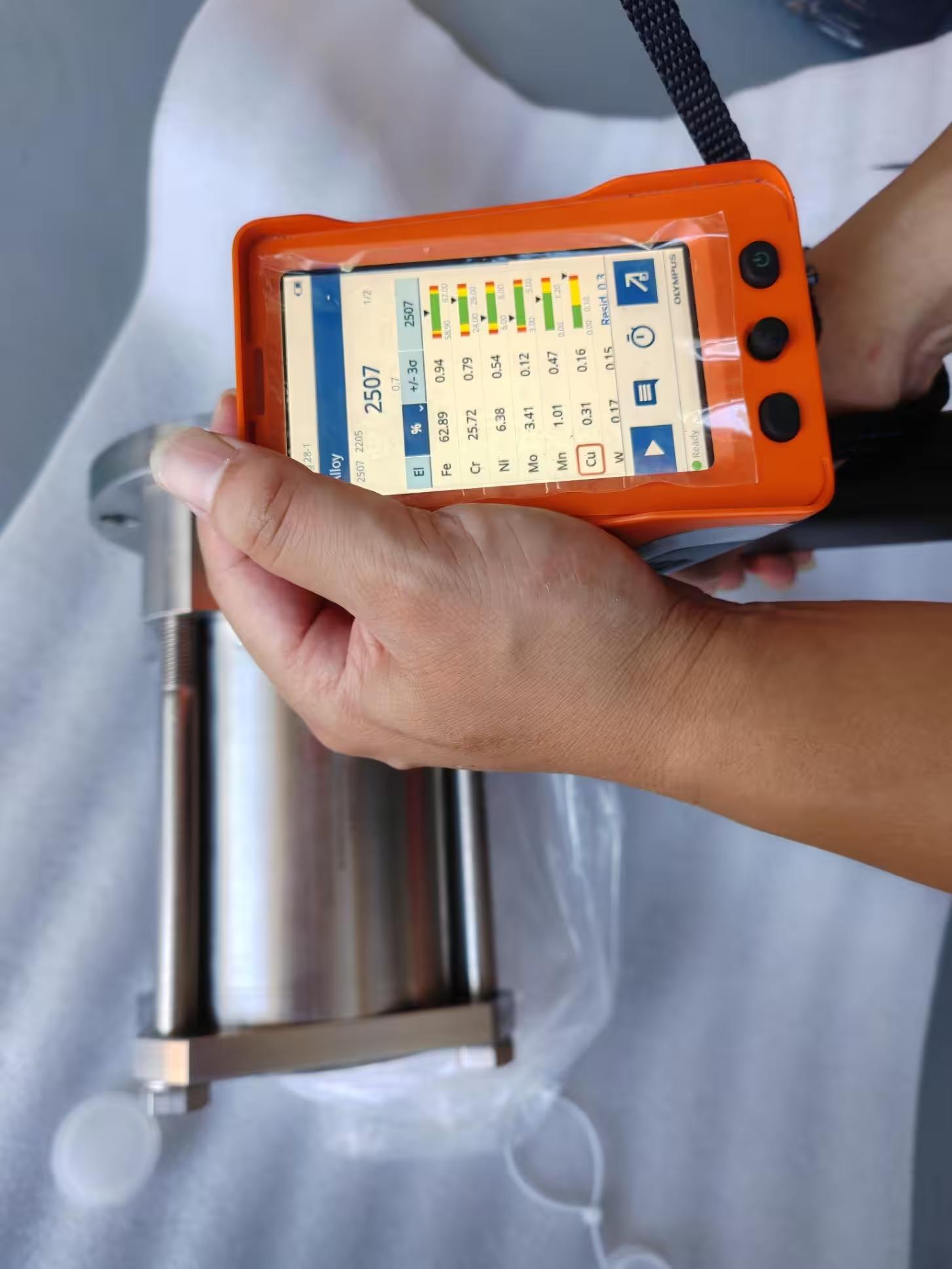
In this heavy-duty application, the HPS 39 operates consistently under highly fluctuating salinity profiles. The fluid-end parts—precision-machined from Super Duplex stainless steel—have demonstrated exceptional resistance to localized crevice corrosion and pitting, under the reported site conditions. Pressure pulsation should be assessed under the actual operating and installation conditions. This real-world deployment proves that top-tier material integrity and operational stability can be achieved alongside a highly optimized capital expenditure (CAPEX) structure.
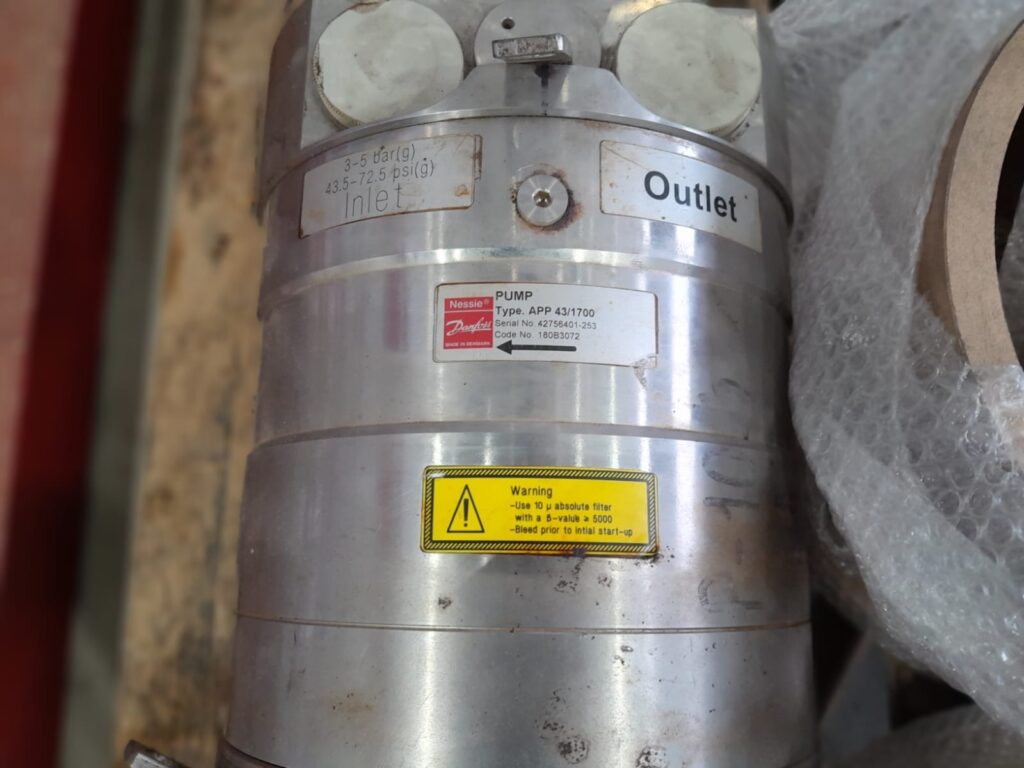
The Retrofit Evaluation: Integrating with the Existing Drive
Replacement suitability requires checks on the duty point, inlet conditions, motor loading, materials and mechanical interfaces. Confirm the coupling, bell housing and port connections on the approved drawings.
1. Flow Rate and Operational Speed Adjustment
The published HPS 39 data lists a maximum speed of 1500 rpm. Do not assume operation at 1700 rpm or an equivalent flow without separate manufacturer approval. The rated flow is 39.10 m³/h at 70 barg / 1500 rpm; confirm that this operating point meets the system duty.
2. Mechanical Coupling and Housing Connections
Legacy European manufacturers may utilize specific mounting flange and shaft configurations. Rohre provides tailored matching bell housings and flexible coupling adaptors. Confirm the coupling, bell housing and port connections on the approved drawings before retaining the existing motor and drive frame.
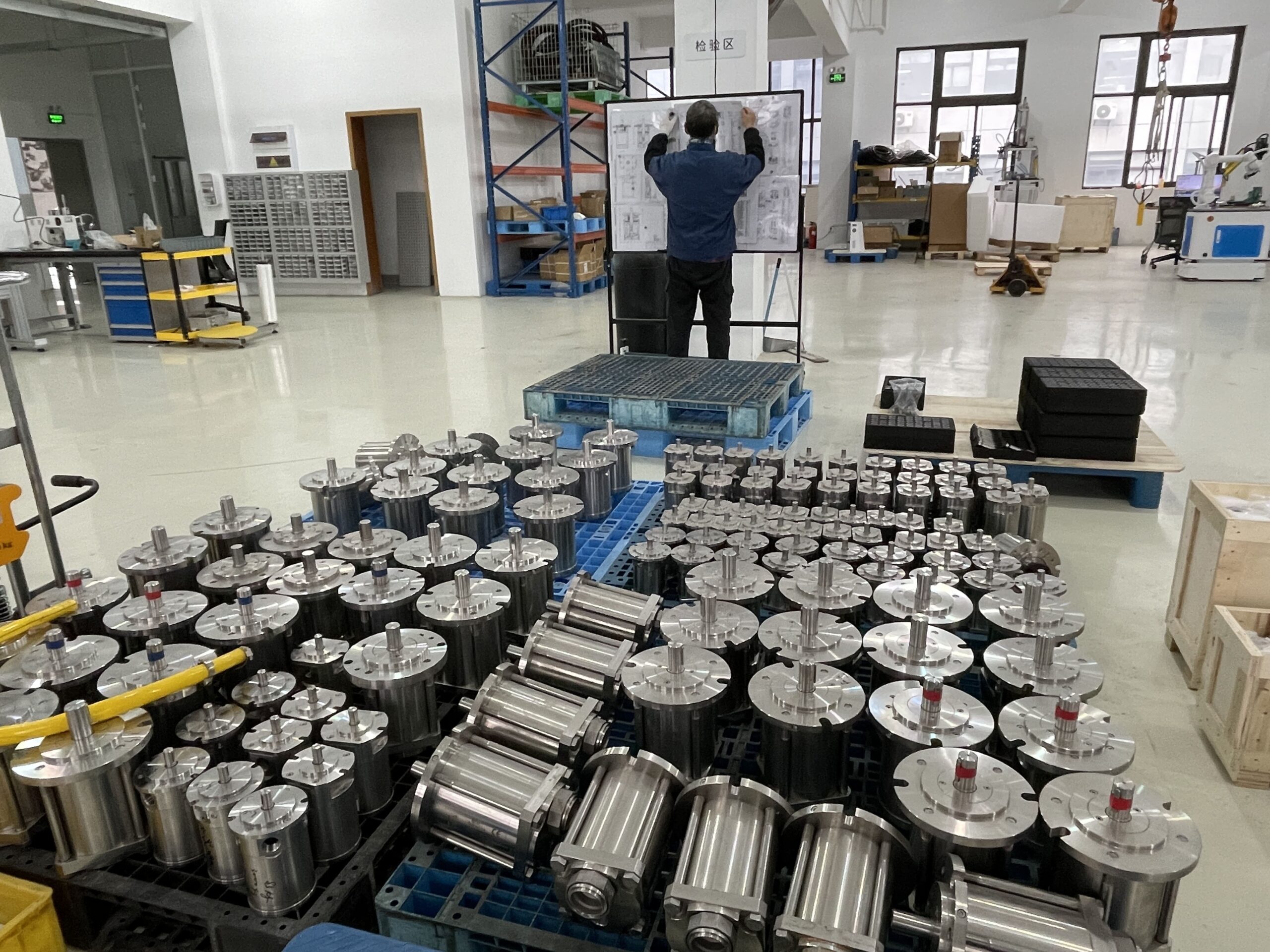
Data Verification: Rohre HPS 39 vs. Danfoss APP 43/1700
The metrics below are pulled directly from authorized technical data boundaries:
- Geometric Displacement:
- Rohre HPS 39: 441.4 cc/rev
- Danfoss APP 43/1700: 444 cc/rev
- Rated Flow Rate:
- Rohre HPS 39: 39.10 m³/h (at 1500 rpm / 70 barg)
- Danfoss APP 43/1700: 44.6 m³/h (at 1700 rpm / 70 bar)
- Continuous Maximum Outlet Pressure:
- Rohre HPS 39: 70 barg (at 1500 rpm) / 85 barg (at 1200 rpm)
- Danfoss APP 43/1700: 70 bar (1015 psi)
- Housing & Wetted Materials:
- Rohre HPS 39 housing: Super Duplex Stainless Steel 2507
- Danfoss APP 43/1700: Super Duplex / PEEK
- Procurement Advantage:
- Slashes legacy European CAPEX by 1/5 to 1/8. For large-scale multi-skid installations, this reallocation of budget allows engineering teams to optimize high-grade energy recovery devices (ERD) or significantly lower their bidding price in international tenders.
Conclusion and Next Steps for System Integrators
The technical data confirms that the Rohre HPS 39 is a highly viable, volumetrically equivalent alternative to the Danfoss APP 43/1700. It offers the exact same heavy-duty pressure thresholds (70 bar continuous) and material integrity (Super Duplex steel) required for harsh saltwater environments, but at a fraction of the cost.
If you are planning an upgrade or a direct pump replacement for your current maintenance cycle, provide our engineering team with the required flow and pressure, inlet conditions, existing motor rating and frame size (IEC/NEMA), VFD frequency setpoints, and installation interface drawings. We will supply the exact pump block and connection interface drawings needed for a smooth, high-ROI integration.
We will supply the exact pump block and connection interface drawings needed for a smooth, high-ROI integration. You can also utilize our online selection and TDH calculation tools to draft your preliminary pipeline designs.