If you are replacing a Danfoss pure-water pump, the first question is usually practical: will the new pump deliver the water your equipment needs, and how much of the existing assembly can you keep? To answer that, we need to look at the operating duty and the installation together.
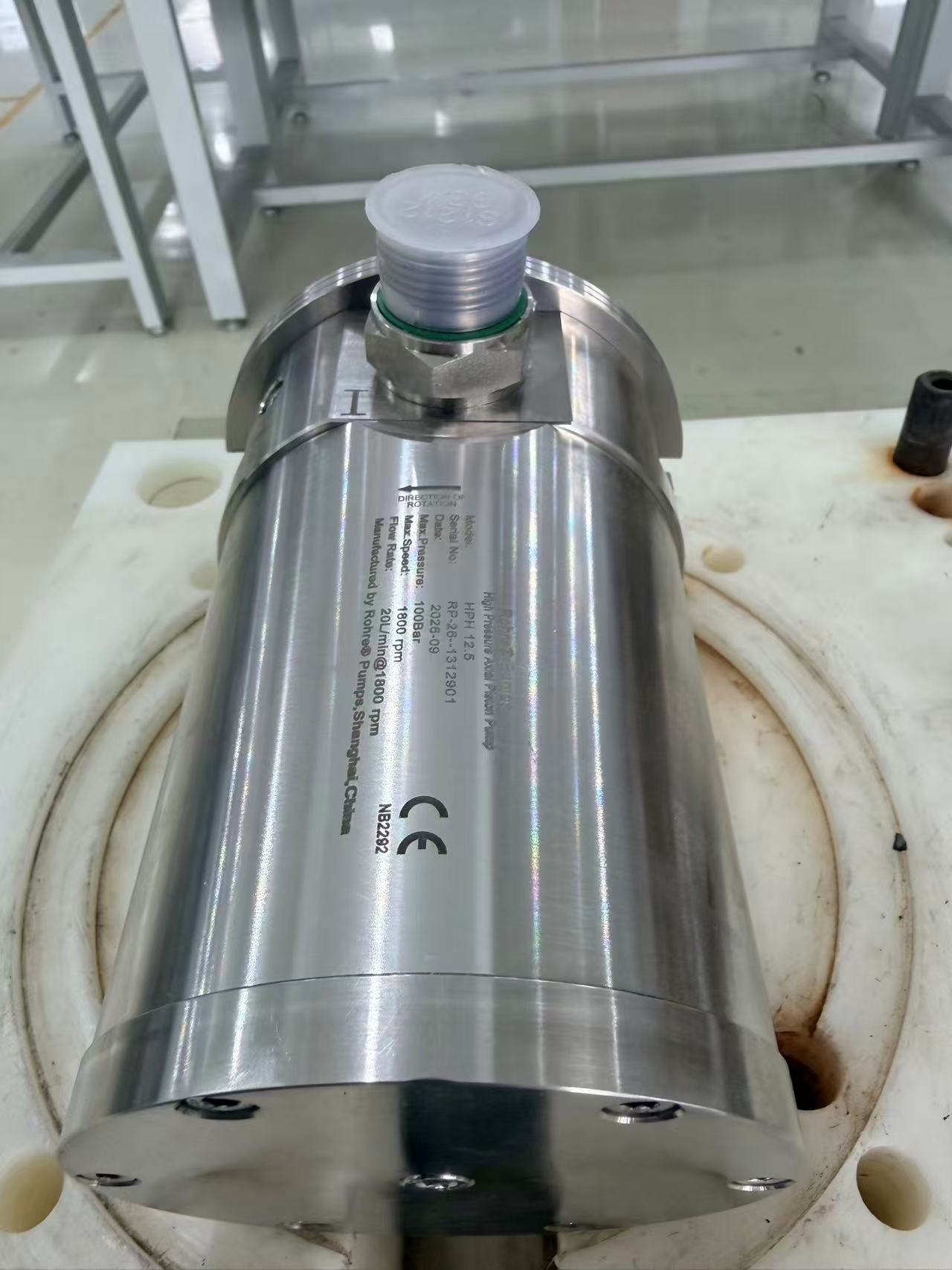
At Rohre, we can review an HPT Series Pump against your existing equipment. A clear nameplate photograph, the required flow and pressure, and an installation drawing are a useful starting point. If you are still gathering the documents, please send what you have and mark any missing information. That lets us identify the next checks.
Table of Contents
ToggleStart with the pump that is actually installed
Please include the full model and product code. For example, the Danfoss PAHT range covers deionized and ultrapure-water applications, but the exact version matters when comparing materials, speed limits and interfaces. It also helps to distinguish the pump nameplate from the motor or complete package nameplate.
| Information to send | What we need to establish |
|---|---|
| Nameplate and product code | Exact pump version, rated speed and pressure; distinguish the pump from the complete assembly. |
| Required flow and pressure | Normal duty, minimum and maximum operating points, duration at each point and the pressure measurement location. |
| Inlet supply | Available pressure and temperature at the pump under flow, tank level range, filter and pipe losses, venting arrangement. |
| Water specification | Conductivity or resistivity with reference temperature, particles, TOC and any ion, metal, elastomer or other material restrictions. |
| Operating cycle | Continuous or intermittent duty, starts per hour, acceleration time, standby periods and shutdown conditions. |
| Motor and drive | Nameplate, actual shaft speed range, voltage and frequency, available power, mounting type, rotation and control interface. |
| Drawings and photographs | Pump shaft, pilot, mounting holes, bell housing, coupling, ports, adapters and service clearance. |
| Acceptance requirements | Required performance checks, traceability, cleanliness evidence, documentation and responsibility for equipment requalification. |
For the duty point, record flow, pressure and shaft speed together. Please tell us where pressure is measured, too: pressure at the cleaning equipment may differ from pressure at the pump outlet. If you plan to retain the motor, its nameplate and operating-speed range help us check whether it suits the proposed pump.
Check the shaft and mounting before ordering adapters
The HPT dimensions below help you make an initial comparison. The next step is to put the two model drawings side by side and check shaft fit, mounting-hole positions, coupling and service clearance.
| HPT family | Inlet / outlet | Nominal shaft / pilot Ø | Parallel key |
|---|---|---|---|
| 2.0–6.3 | G1/2 / G1/4 | 15.98 / 62.98 mm | 5 × 5 × 20 mm |
| 10–12.5 | G3/4 / G3/4 | 16 / 63 mm | 5 × 5 × 20 mm |
| 20–32 | G1-1/4 / G3/4 | 25 / 100 mm | 8 × 7 × 32 mm |
| 50–90 | G1-1/2 / G1 | 31.99 / 124.97 mm | 10 × 8 × 45 mm |
You can find these interface references in our HPT semiconductor application. They are nominal dimensions; we need the current model drawing, including tolerances, before a coupling or adapter is made.
Connections deserve the same attention. Please include the thread standard, male or female connection, sealing arrangement and port orientation. A photograph is useful here, especially if adapters have been added since the equipment was built.
Why the package connections can differ from the pump ports
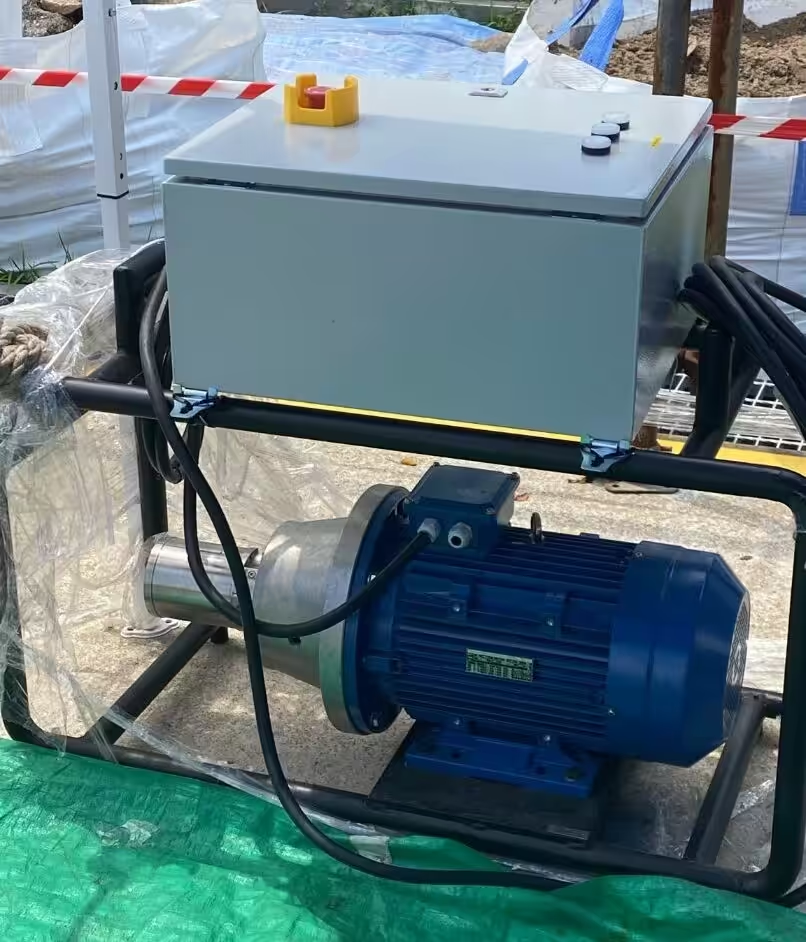
Our HPT 12.5 semiconductor package is a useful example. Its specified normal duty was 16 L/min at 10 MPa, with continuous variable-speed operation, a 7.5 kW motor and a SINAMICS V20 drive. After the supplied adapters, the inlet was G3/4 male and the outlet was G3/8 male.
The pump-body outlet reference in the table is G3/4. Both descriptions can therefore be correct, but they describe different connection points. For your replacement, the proposal needs to show the connection your pipework will actually meet.
That project also listed a maximum design flow target of 20 L/min. When reviewing a similar requirement, we would check the pressure and permitted speed for the peak point separately from the normal 16 L/min duty.
Look at the whole water-contact path
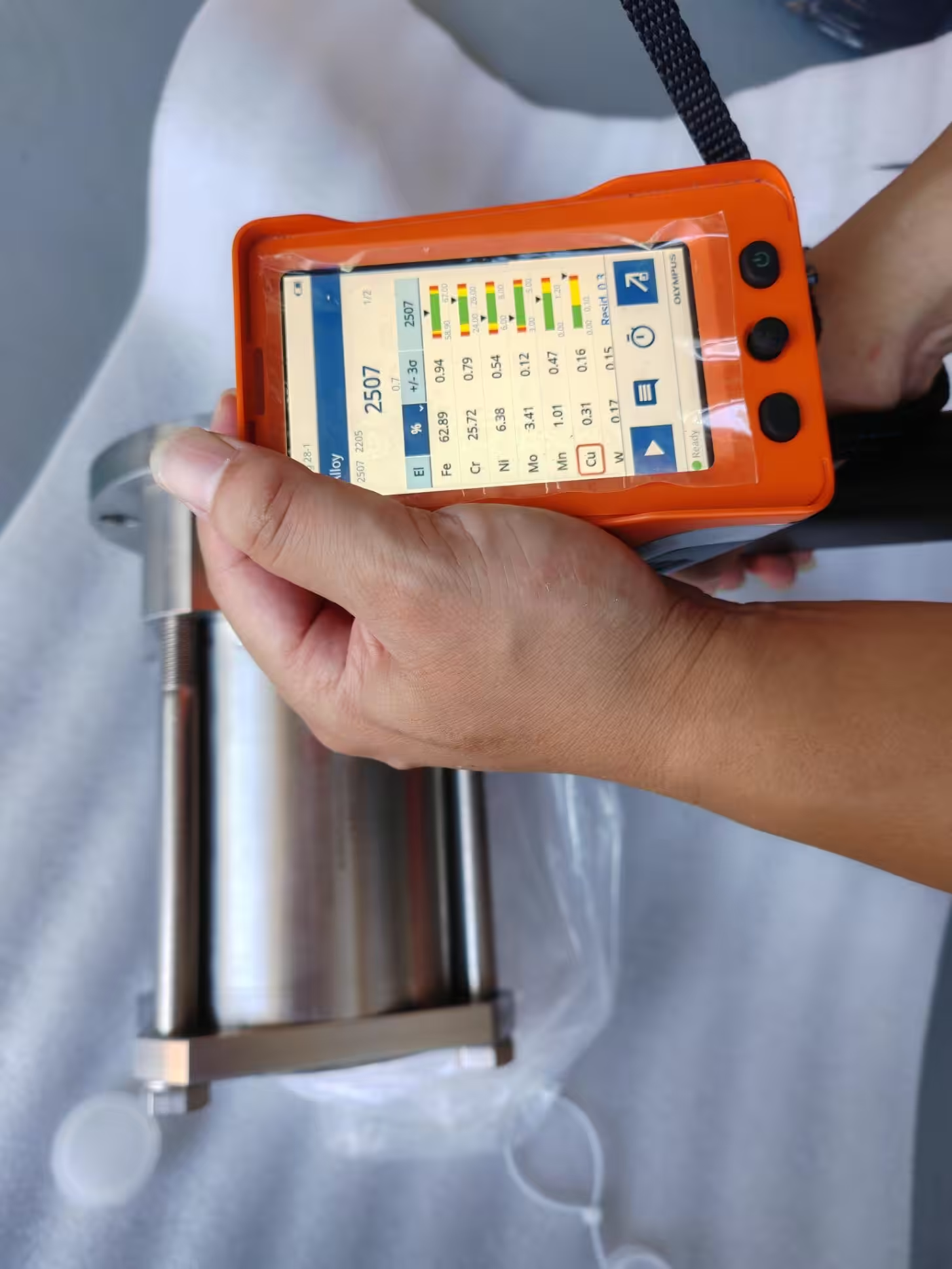
For semiconductor equipment, please share the water-quality and material requirements as early as possible. An SS304 or SS316 housing description covers only part of the assembly. We also need to review the remaining wetted components, seals, adapters and hoses, together with any cleaning or water-quality acceptance requirements.
If you need an outlet-water quality check, tell us the sampling location, test method and acceptance limits. This helps define the verification work alongside the hydraulic test. Water lubrication alone does not establish the process-water quality after the module.
The inlet deserves a separate check. HPT pumps need a stable flooded inlet and are not self-priming. The relevant inlet pressure is the pressure available while water is flowing, including the effect of the lowest tank level, filter losses and pipework. We can then compare those conditions with the selected model’s limits.
What a useful replacement proposal should show
- A comparison of the required flow, pressure and speed, with the inlet conditions and motor requirement.
- A marked drawing showing the parts you can retain and any changes to the coupling, bell housing, adapters, mounting or pipework.
- The pump and assembly items included in the quotation, together with trial quantity, spares and delivery requirements.
- The agreed performance checks and any equipment requalification needed before the replacement enters service.
This gives your purchasing and engineering teams the same basis for reviewing the change. It also makes clear whether the replacement is a pump-only change or an assembly modification.
Send us the nameplate and installation details
If you are assessing an HPT replacement, please send the existing pump details and tell us which parts of the assembly you would like to keep. We can review the proposed model and explain the changes needed for your equipment.
Send a replacement enquiry · Talk to Rohre about your installation