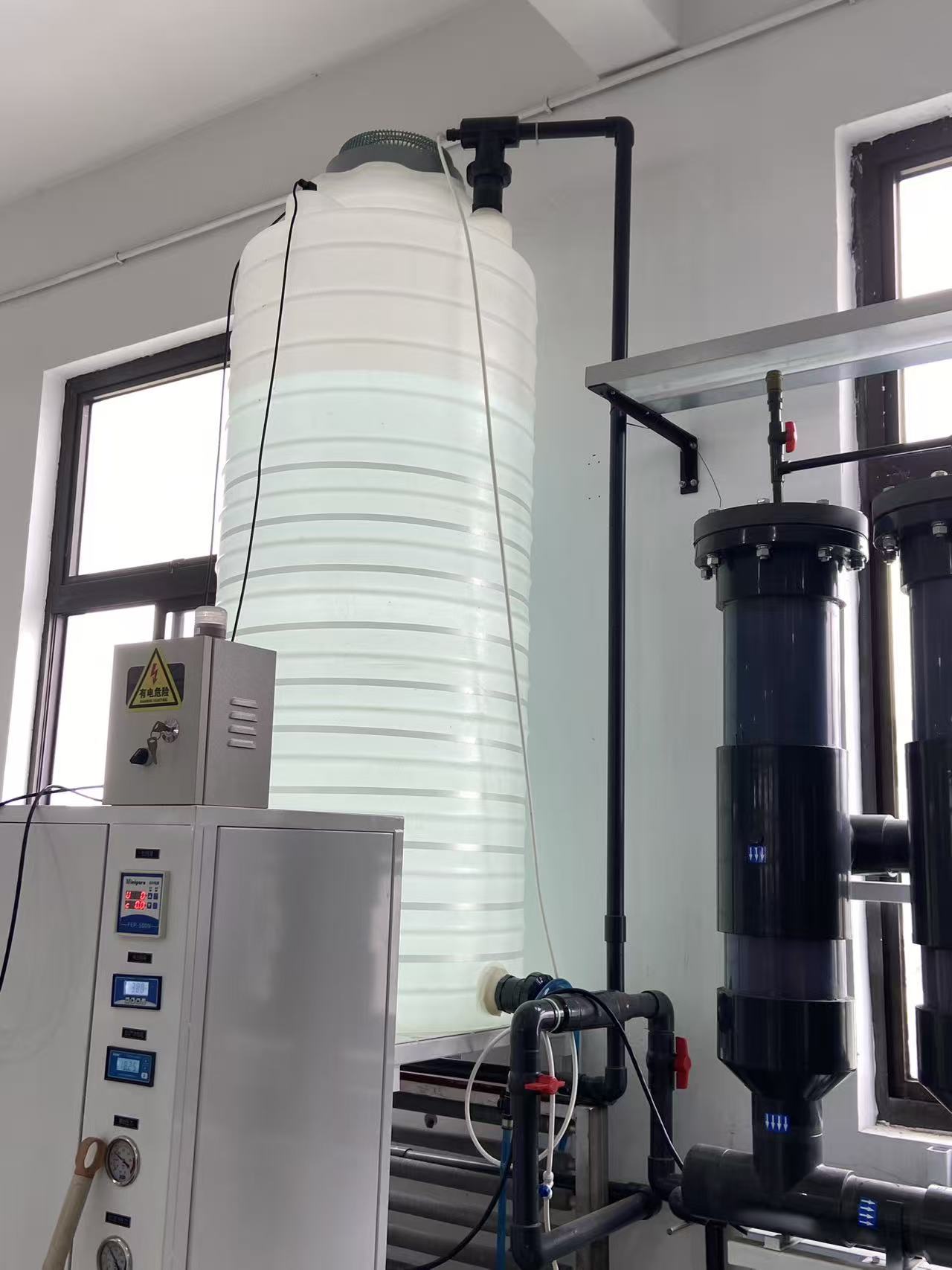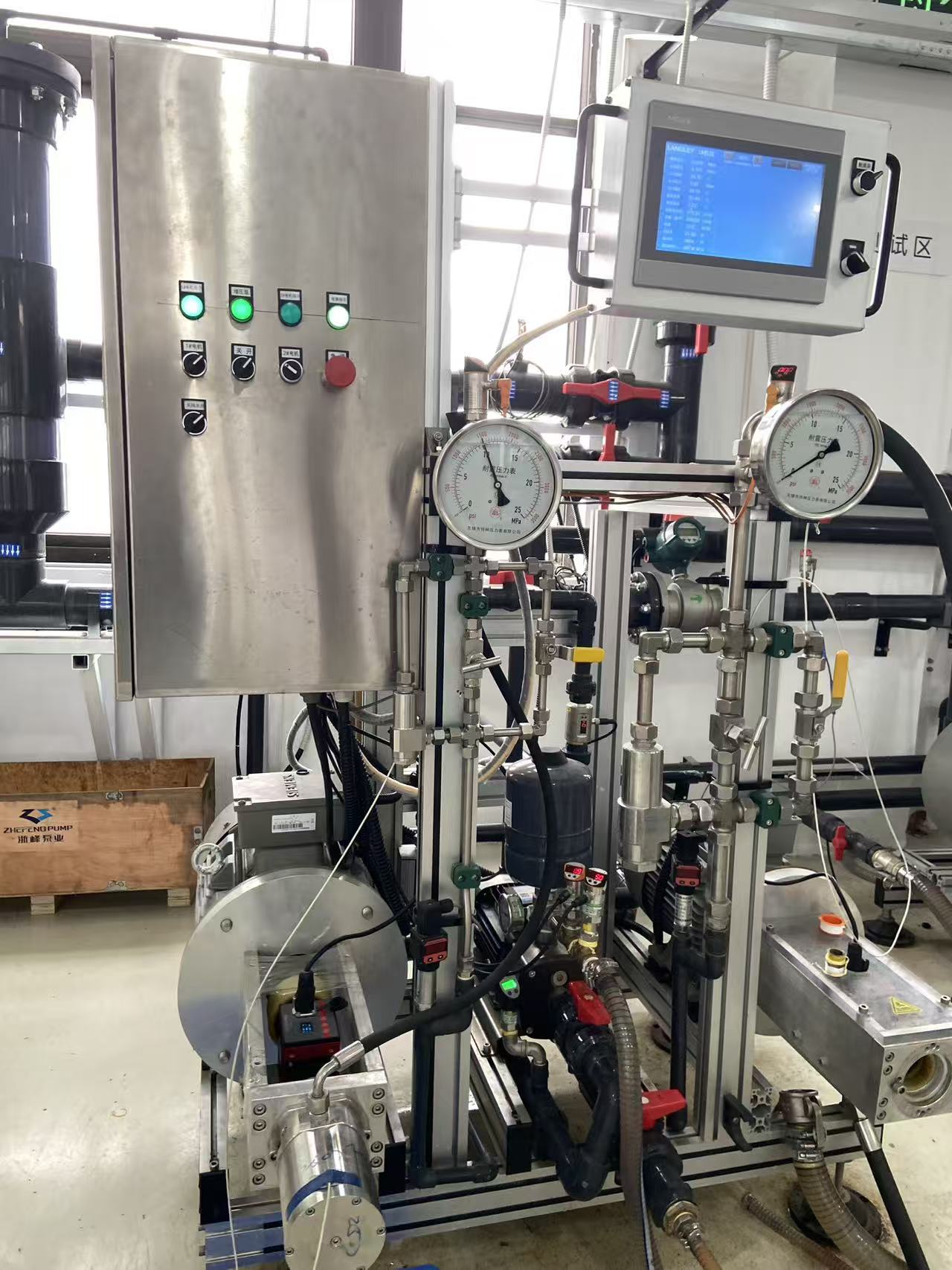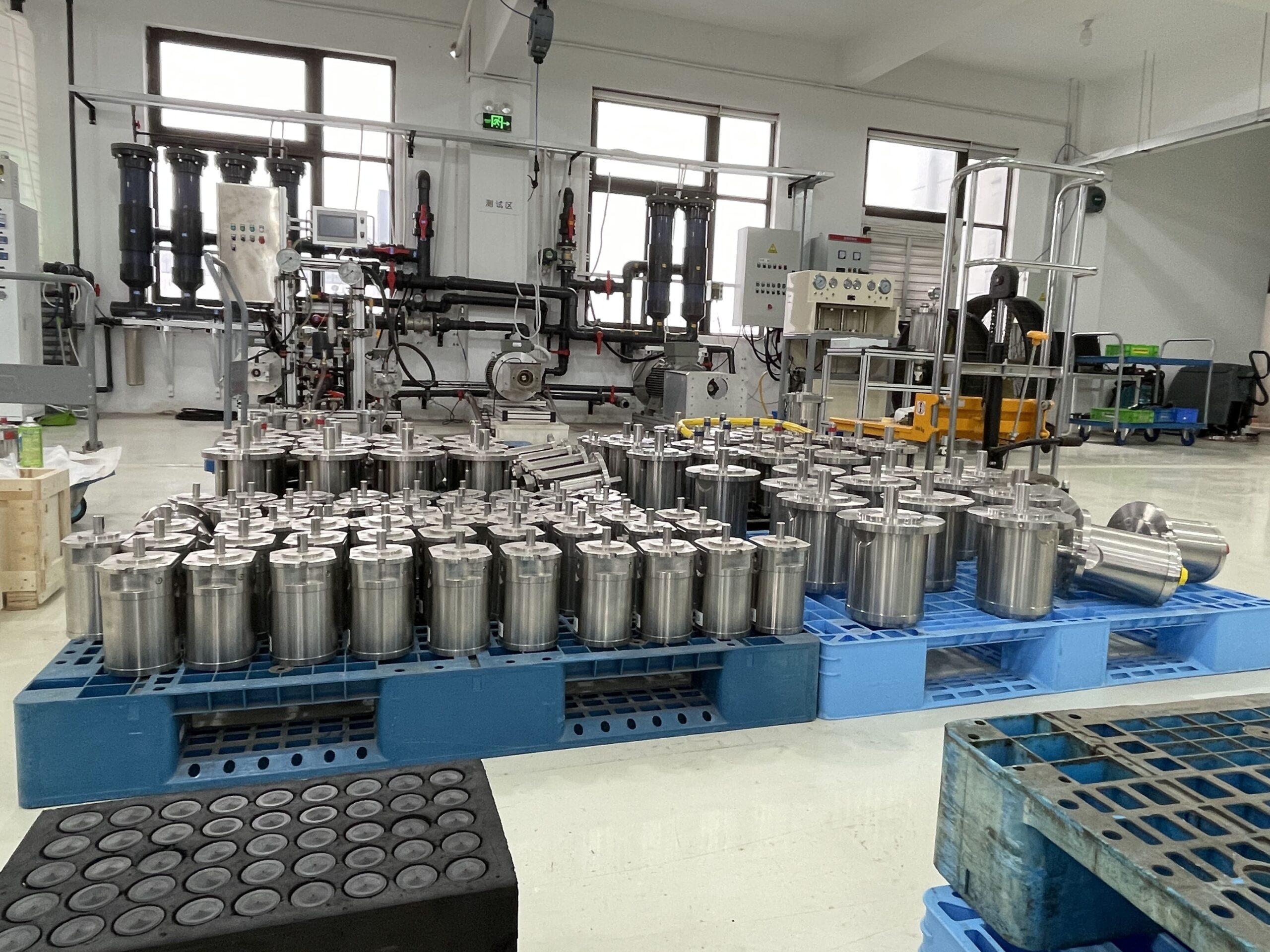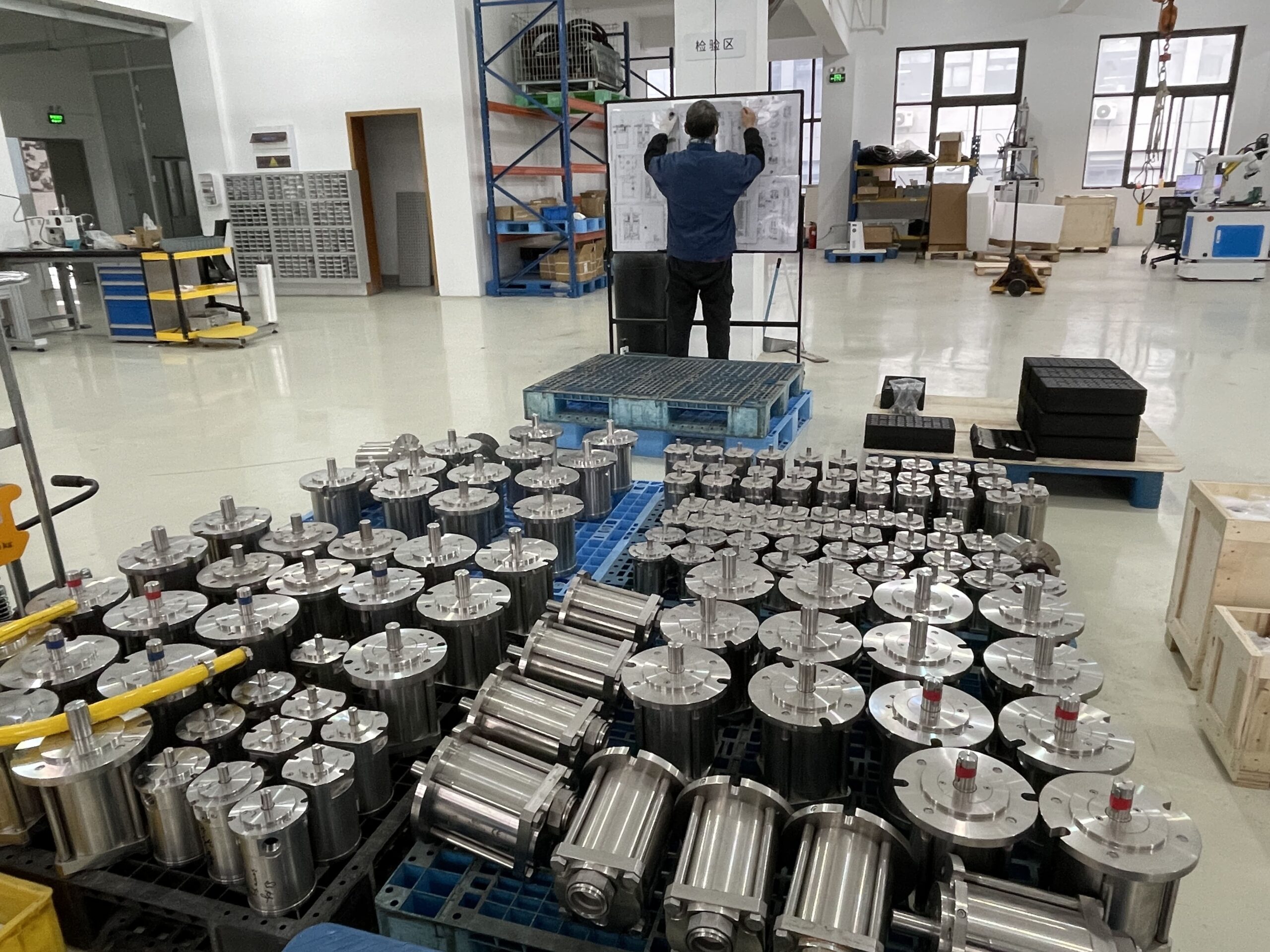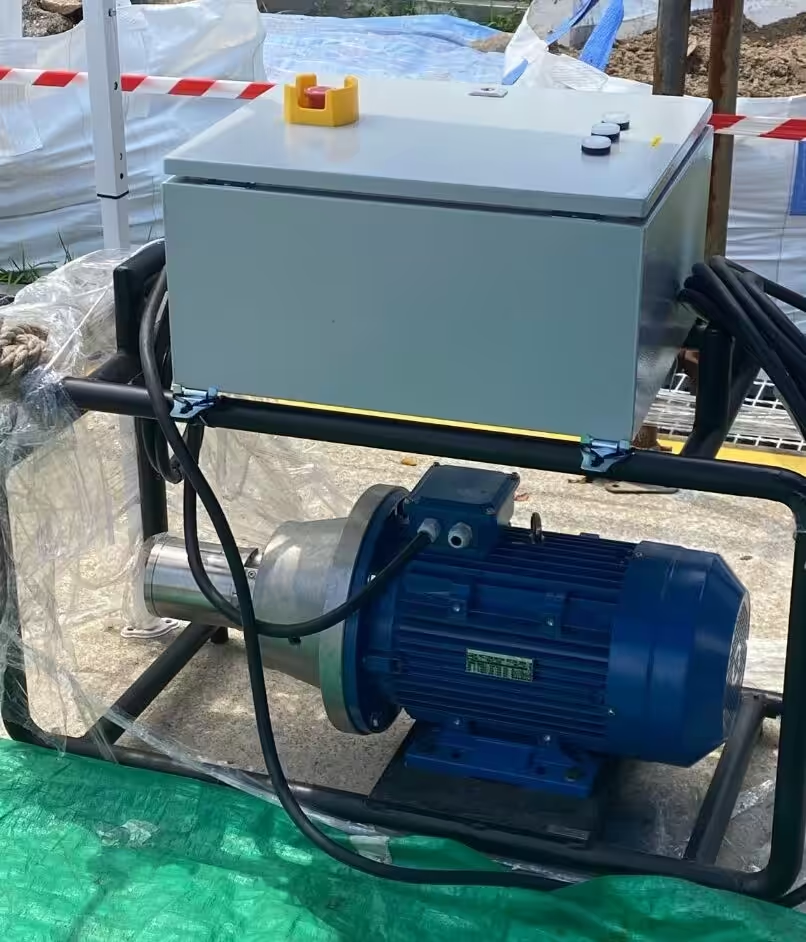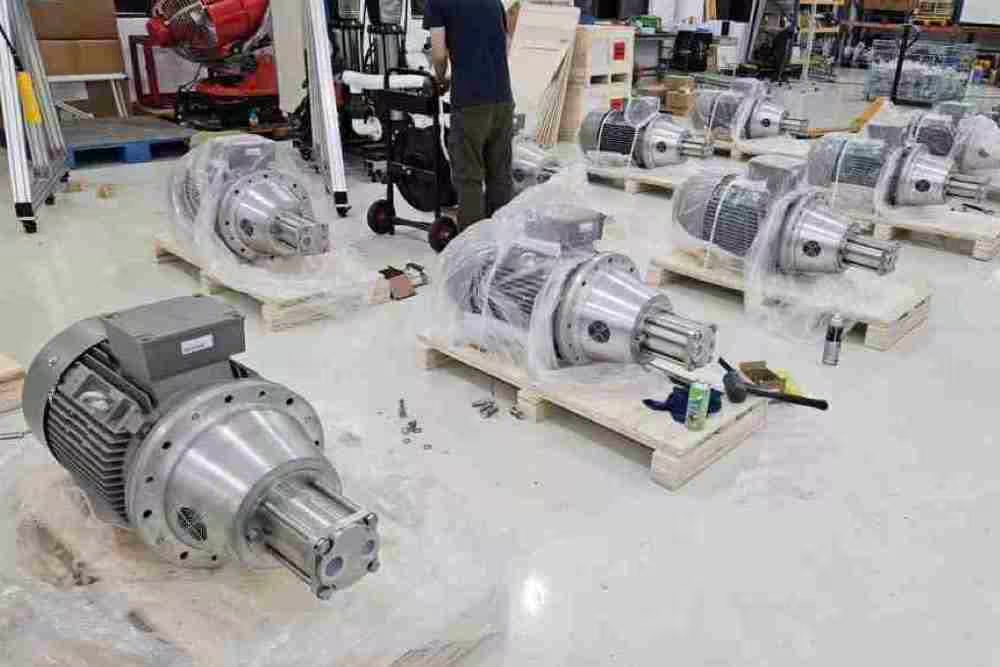
When you are developing a semiconductor cleaning machine, the pump module has to fit several requirements at once: the process duty, the available space, the water specification and the machine controls. A useful enquiry brings those requirements together, even if some are still being developed.
For a Rohre HPT pump assembly, we can review the pump, motor, drive, coupling, bell housing, base and agreed pump-side instruments, protection, connections and high-pressure hose. Your team defines the downstream cleaning process and its integration with the machine.
The checklist below helps us work through that interface with you. Please mark provisional values as provisional; that is more useful than leaving us to assume how the module will run.
Table of Contents
ToggleTell us what the module needs to deliver
| Required input | Details to include |
|---|---|
| Application and duty points | Process name; normal, peak and minimum flow; pressure at the module outlet; duration at each point. |
| Pressure losses | Known loss between module outlet and the equipment’s process point. Identify where pressure is controlled and measured. |
| Water specification | Conductivity or resistivity and reference temperature; temperature range; particle, TOC, metal and other process limits. |
| Inlet supply | Minimum and maximum inlet pressure under flow, available flow, tank arrangement, filter losses and venting requirements. |
| Operating cycle | Continuous or intermittent operation, starts per hour, idle periods and expected annual hours. |
| Electrical supply | Voltage, phases, frequency, available current and site requirements for the motor and drive. |
| Controls interface | Run command, speed or pressure setpoint, status signals, fault response and required communication protocol. |
| Mechanical envelope | Space, mounting pattern, port orientation, connection standard, service access, hose length and routing constraints. |
| Documentation and delivery | Drawing format, naming conventions, language, inspection hold points, quantity and required delivery date. |
Please distinguish the normal duty from a short peak and from the design limit. If several process branches share the module, include the sequence and the branches that can run together. This gives us a realistic demand profile without adding together peak flows that never occur at the same time.
The pressure measurement location is equally useful. If the process requires a certain pressure at the machine, let us know the expected loss through the connecting hose and pipework so we can establish the requirement at the module outlet.
A package example from semiconductor equipment
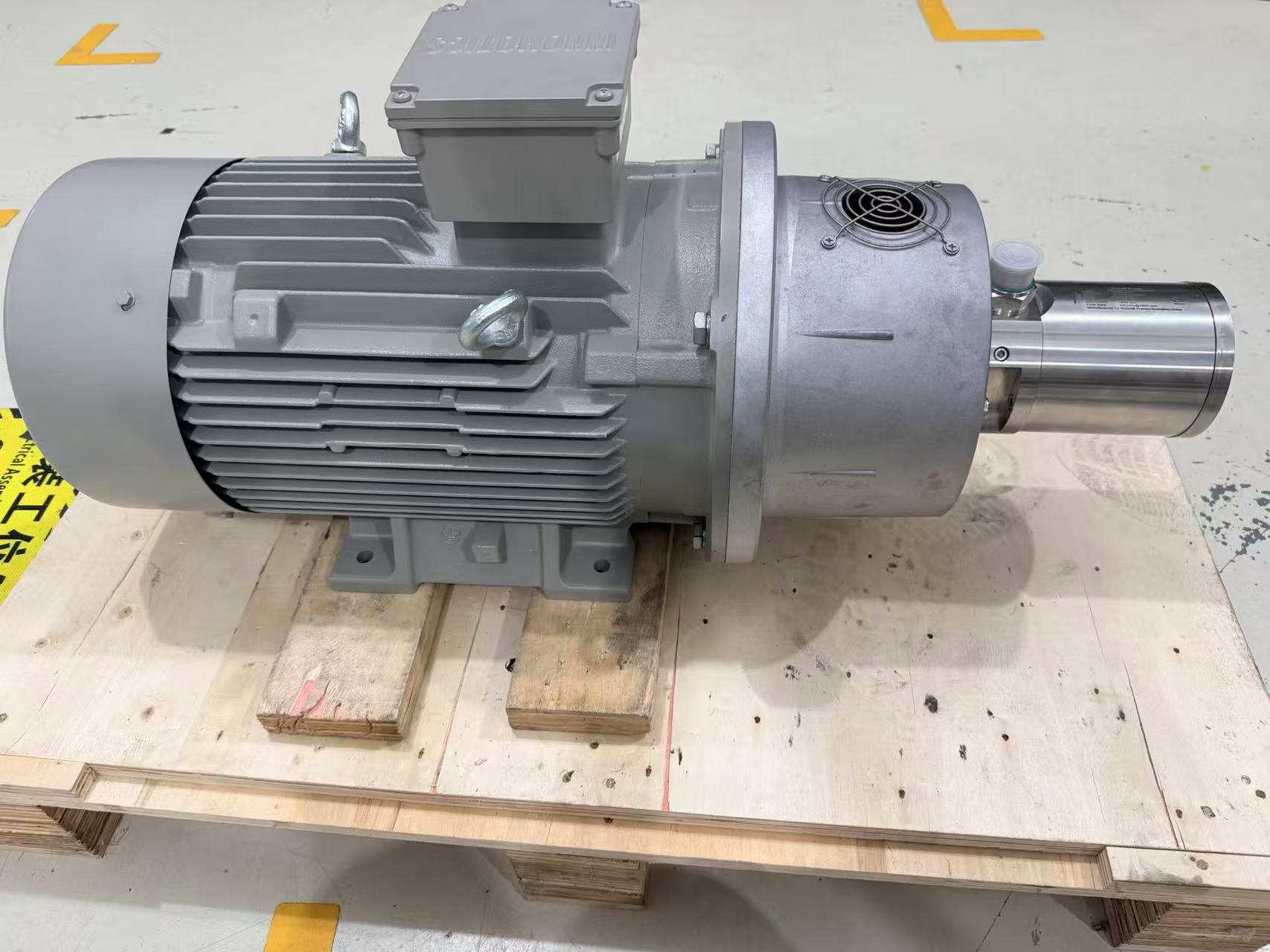
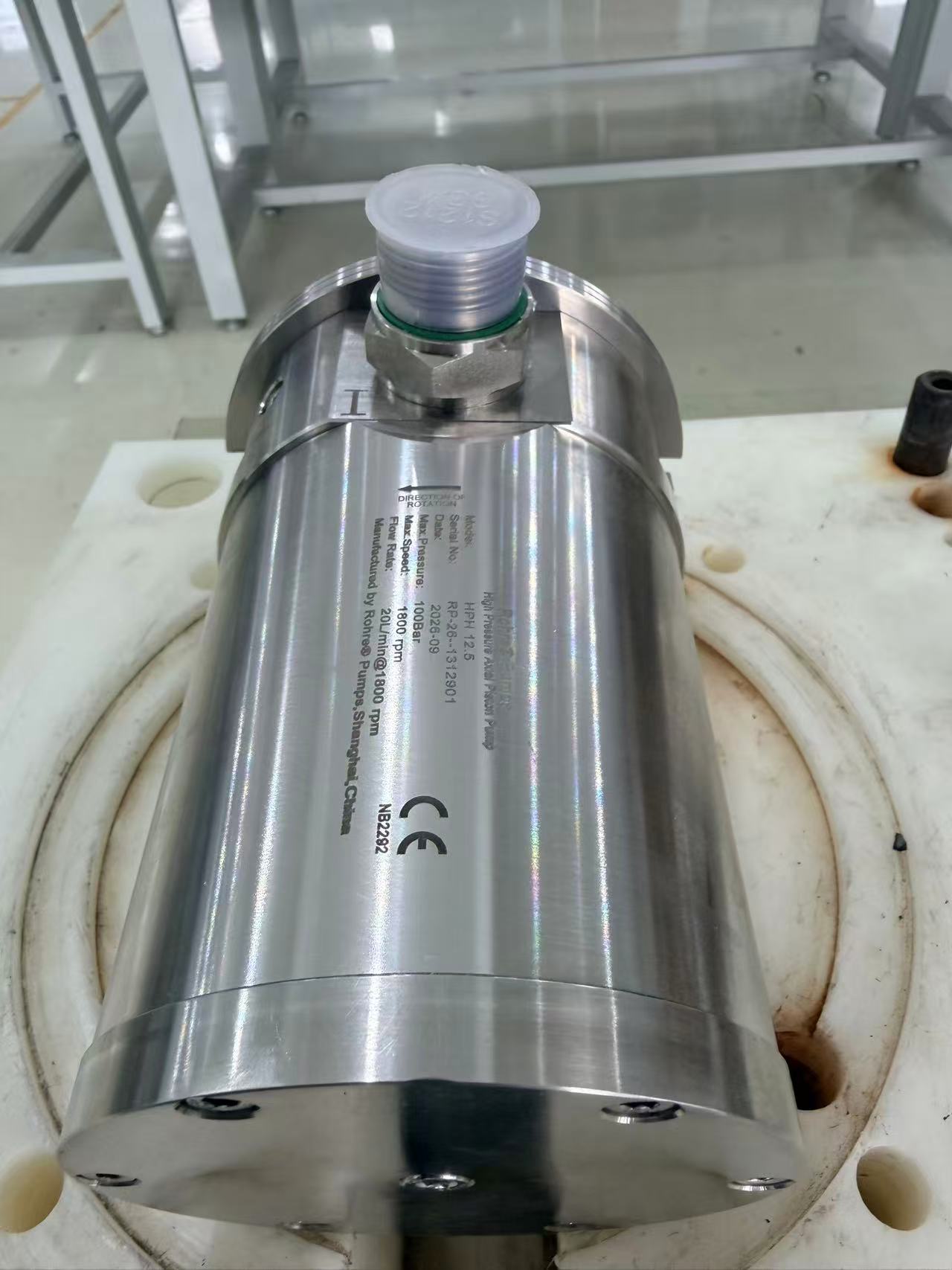
Our HPT semiconductor application includes the HPT 12.5 configuration below. It shows the level of detail that helps an OEM review the complete package, from the duty point to the final connections.
| Item | Project requirement or configuration |
|---|---|
| Normal duty | 16 L/min at 10 MPa |
| Maximum design flow target | 20 L/min |
| Operating mode | Continuous; variable-speed flow control |
| Pump body / specified flow-contact components | SS304 / 2507 |
| Motor | 7.5 kW INNOMOTICS; 380 V, three-phase, 50 Hz |
| Drive and communication | Siemens SINAMICS V20; RS485, USS and Modbus RTU |
| Mechanical connection | Coupling and bell housing |
| Package ports after adapters | G3/4 male inlet; G3/8 male outlet |
In this project, 20 L/min was a maximum design flow target, separate from the specified normal duty of 16 L/min at 10 MPa. For your equipment, we would review each operating point and its permitted speed before defining the package.
Bring water-quality requirements into the first discussion
Please tell us where your water-quality requirement applies: at the module inlet, after the pump, or farther downstream in the equipment. If outlet sampling is part of acceptance, we also need the inlet-water baseline, sampling method and acceptance limits.
This helps us review the entire water-contact path, including seals, adapters and hoses, rather than looking only at the housing grade. It also identifies whether the order needs hydraulic testing alone or additional cleanliness verification.
Where process-specific testing is required, it is useful to agree sample handling, the test method, the laboratory and the report format before quotation. Your quality team can then see what evidence the proposed scope will provide.
Put the interfaces on the drawing and in the quotation
A compact responsibility schedule makes integration easier. It gives both teams a clear answer to questions such as who programs the drive, where the final water connection sits and which signals the machine controller receives.
| Interface | Information or deliverable to agree |
|---|---|
| Pump and motor | Selected models, duty, speed, rotation, motor mounting and power requirement. |
| Drive and controls | Who supplies and programs the drive; signal list; limits; interlocks; start and stop behaviour. |
| Mechanical assembly | Coupling, guards, bell housing, base, mounting and service clearance. |
| Water connections | Pump-body ports, supplied adapters, final package connections and high-pressure hose specification. |
| Protection and instruments | Agreed pump-side pressure monitoring, relief arrangement and loss-of-inlet protection; interfaces to equipment logic. |
| Downstream process | OEM definition of process devices, distribution, cleaning sequence and overall machine performance. |
| Acceptance | Factory test scope, equipment integration tests, responsible parties and sign-off documents. |
Please include service access in the layout review. The assembly needs enough room for the coupling, connections and routine maintenance as well as enough room to fit inside the machine.
Make the first build useful for repeat production
Alongside the technical specification, let us know your pilot quantity, expected repeat demand and spare-parts needs. These details help align the proposed supply with the way your equipment will be built and supported.
The quotation should identify the included components, duty points, drawing revision and test scope, with options shown separately. Before production release, both teams should be able to work from the same agreed interface drawing and acceptance schedule.
Send us your module layout or specification
You do not need to rewrite a complete equipment specification into a new format. Send the relevant pages, a layout and the operating requirements, and identify the items that still need discussion. We can review the pump-side selection and supply scope with your team.
See HPT OEM pump assemblies · Submit a module enquiry · Contact Rohre