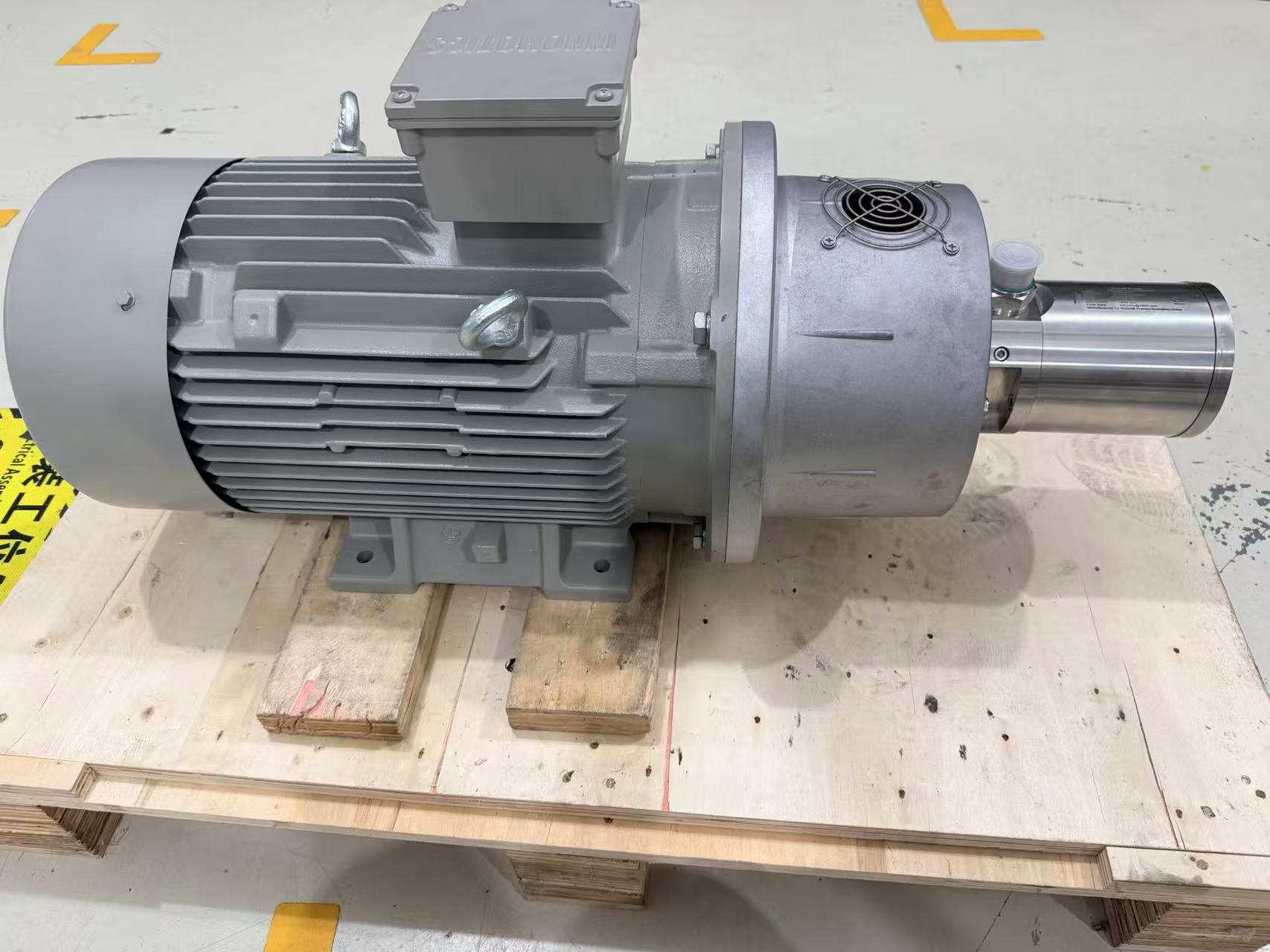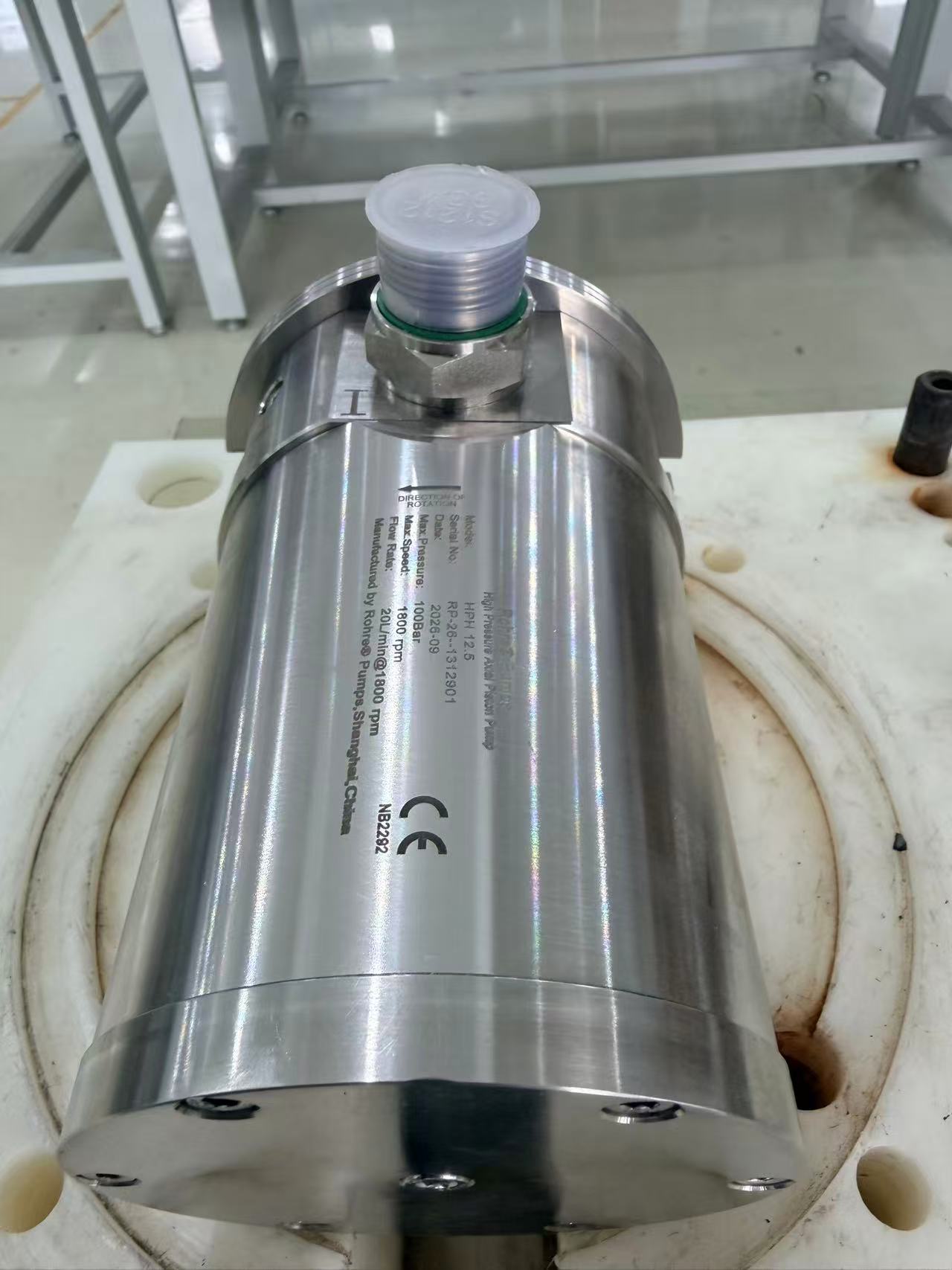
A high-pressure RO pump has to match the water, flow and operating pressure together. A pump rated for 160 bar may still be unsuitable for a low-pressure RO duty; a seawater pump with enough capacity at one speed may not deliver the same flow at a higher pressure.
Rohre supplies HPH pumps for fresh and clean water applications and HPS pumps for seawater RO. Both use water for lubrication and cooling, eliminating the pump’s oil-lubrication circuit. This guide explains how to move from an RO process duty to a pump and drive configuration, including replacement projects where retaining the existing motor and pipework matters.
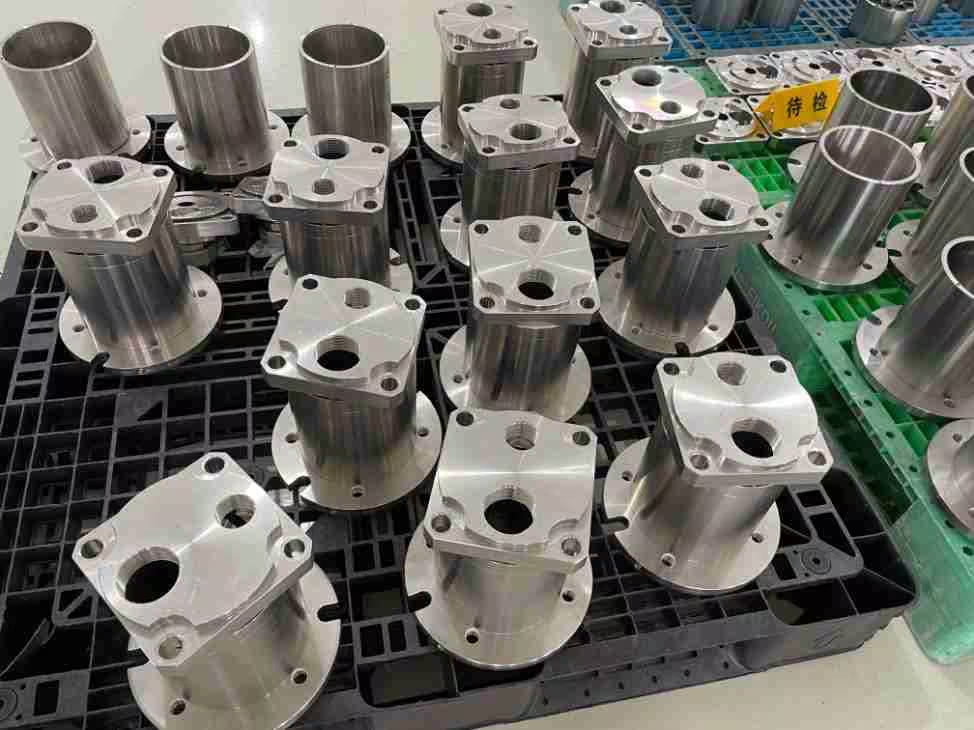
Choose the series for the water entering the pump
Start with the liquid at the pump inlet. Raw water, softened water, brackish feed and concentrated RO reject can require different material and operating choices even within the same plant. The application name alone does not describe the pump’s exposure.
| Application | Selection direction | What changes the decision |
|---|---|---|
| Fresh or clean water RO | Review the HPH range. | Check the minimum as well as maximum outlet pressure. Several HPH groups extend to 160 bar, while the HPH 2.0–6.3 group is listed to 140 bar. |
| Brackish water RO | Review water chemistry before choosing the series and materials. | Salinity, chlorides, temperature and cleaning chemicals determine whether a freshwater configuration is suitable. |
| Seawater RO | Review HPS models and their pressure–speed combinations. | Use the flow through the high-pressure pump branch, particularly when the plant has an energy recovery device. |
| Wastewater concentration or RO stages in a ZLD process | Review the actual stage liquid and pressure. | Concentrated salts, solids, pH and cleaning chemistry affect material compatibility and pretreatment. A higher pressure rating alone does not establish suitability. |
For semiconductor ultrapure-water delivery, start with our HPT Series ultrapure water pumps. RO feed pumping and pumping the finished ultrapure water are different duties. HPT selection focuses on the required water quality, pressure, flow and the equipment interfaces, including replacement of existing Danfoss pumps.
HPH pumps also serve high-pressure water-mist systems, cleaning, humidification and dust control. Those applications have their own flow and control requirements; the remainder of this article concentrates on RO selection.

Check the operating pressure range before choosing the displacement
A maximum pressure rating is only one boundary. The HPH 8–12.5 specification, page 2, lists an outlet-pressure range of 30–160 barg and a continuous speed range of 700–3000 rpm. These are model-group limits, not a common operating range for every Rohre pump.
Selection example — assumed fresh-water RO duty: an OEM needs 1 m³/h at 15 barg. A 160 bar HPH pump may look comfortably rated if only the maximum is considered. However, 15 barg is below the 30 barg minimum listed for HPH 8–12.5. That group cannot be selected for this continuous duty simply because it has enough pressure capacity. The useful next step is a pump configuration intended for the required low-pressure duty, rather than adding unnecessary backpressure just to use a higher-rated pump.
Operating pressure must also include the losses between the pump and the membrane inlet. At the same time, the drive load depends on the pressure rise across the pump. Keep inlet pressure, outlet pressure and differential pressure separate when reading a curve or calculating power. A higher pump pressure rating does not provide overpressure protection: the package also needs a suitable relief arrangement and controls that keep operating and transient pressures within the limits of the pump and connected components.
Match flow and speed at the required pressure
For an RO system without energy recovery or recirculation, the feed flow can be estimated from product-water flow divided by recovery. With an ERD or another return path, the high-pressure pump may serve only part of the membrane feed. Trace that branch in the flow diagram before using plant capacity to size the pump. Our SWRO selection guide explains this branch-level review in more detail.
The HPS catalogue shows why pressure, speed and flow must stay together. HPS 0.6–1.0 models are listed up to 3500 rpm, whereas HPS 5.1–10.2 models are listed up to 1800 rpm. HPS 11 and 13 have maximum outlet-pressure entries of 70 barg at 1500 rpm and 85 barg at 1200 rpm. There is no single “best speed” for all these models.
Selection example — assumed seawater pump-branch duty: a skid requires 6.0 m³/h at 85 barg, and the proposed pump speed is 1500 rpm. Page 12 of the HPS catalogue gives the following values:
| Model | Catalogue flow at 85 barg, 1500 rpm | Decision for this example |
|---|---|---|
| HPS 6.5 | 5.38 m³/h | Below the required flow at this speed. Increasing speed would require a new duty and drive check. |
| HPS 7.2 | 6.00 m³/h | Matches the nominal table duty. Review the required flow tolerance and available operating margin. |
| HPS 8.2 | 6.95 m³/h | More flow than required at 1500 rpm. Compare a suitable reduced-speed duty before selecting it. |
The practical comparison is HPS 7.2 near its listed 1500 rpm duty versus another displacement at an approved speed that delivers the required flow. Sending excess flow continuously through a bypass adds pumping work and heat. A larger model can be useful where the duty needs margin or turndown, but only after checking its minimum speed and actual flow curve.
These two examples illustrate selection decisions, not customer installations. The seawater table uses published catalogue values; the project duties are assumptions. For a direct-coupled induction motor, use its actual loaded shaft speed rather than treating the 1500 rpm synchronous speed of a four-pole, 50 Hz motor as the exact running speed.
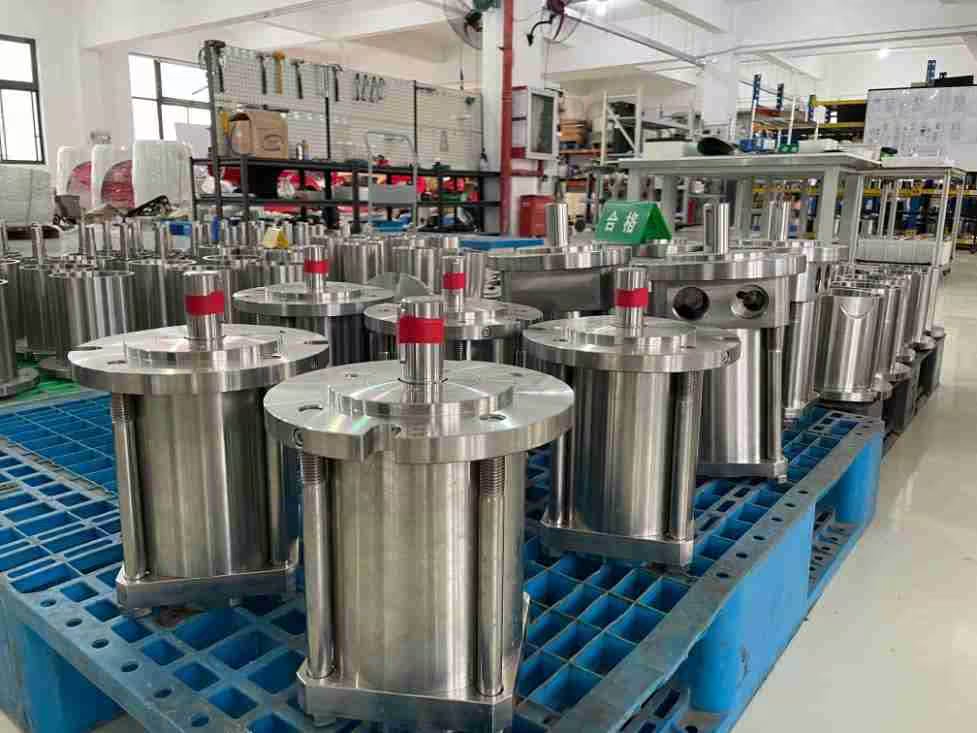
Select the motor from the complete operating duty
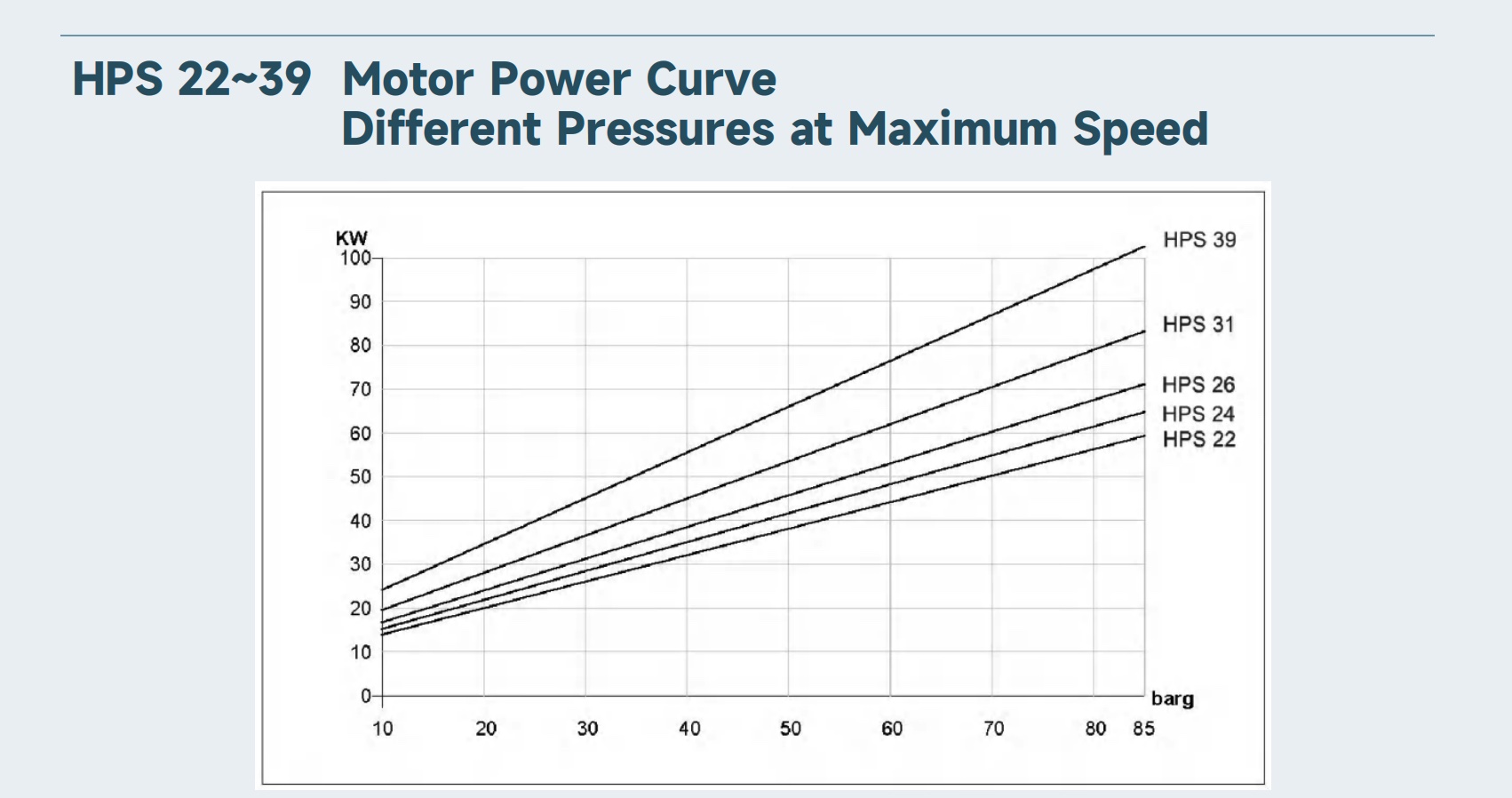
The motor must carry the pump’s shaft demand across the intended flow, pressure and speed range. Hydraulic output, shaft input and electrical input are different quantities; the motor’s nameplate kW is not a measurement of electricity consumed by the unit.
For example, page 2 of the HPS catalogue lists 3 kW for HPS 0.8 and 4 kW for HPS 1.0 at maximum pressure and maximum speed. Those entries should stay with their stated duty. They are not a sizing rule for every installation using those pumps. Larger models may require 11 kW, 30 kW or more, depending on their operating point.
High ambient temperature, altitude, VFD operation and repeated starts can change the usable motor output or cooling requirement. We use the applicable motor and drive data to establish the configuration. Simply choosing a larger motor does not resolve an unsuitable speed, an overloaded coupling or an inadequate inlet supply.
If you supply the motor, send its nameplate and connection drawing. We can check pump duty, rotation, shaft and flange compatibility, and supply the coupling and bell housing where needed. For a running-cost comparison, the HPH/HPS operating-cost guide explains the power and electricity calculations with their references.
Choose wetted materials for the actual water and cleaning process
The standard HPS configuration uses a 2205 duplex stainless steel housing and 2507 super duplex stainless steel internal wetted metal components. For a custom 2507 housing, contact our sales team with your required quantity. Housing material is one part of the selection: the other wetted metal parts, seals and connecting components must also suit the feedwater and cleaning process. For HPS seawater pumps, the standard material combination is a 2205 housing with 2507 internal wetted metal components, with the supplied configuration identified for the selected pump.
Brackish water and chemical wastewater should not share a single automatic material recommendation. For brackish water, chloride concentration and temperature help establish the corrosion exposure. For wastewater and ZLD stages, dissolved chemicals, suspended solids and concentration changes also matter. A seawater configuration is a useful starting point for some duties, but it does not make every chemical stream compatible.
The cited HPH and HPS specifications list a 2–50°C media range. Include cleaning temperature and chemical concentration in the review, not only the normal operating water temperature. For semiconductor ultrapure water, use the HPT configuration and the application’s water-quality requirements rather than selecting from a generic stainless-steel table.
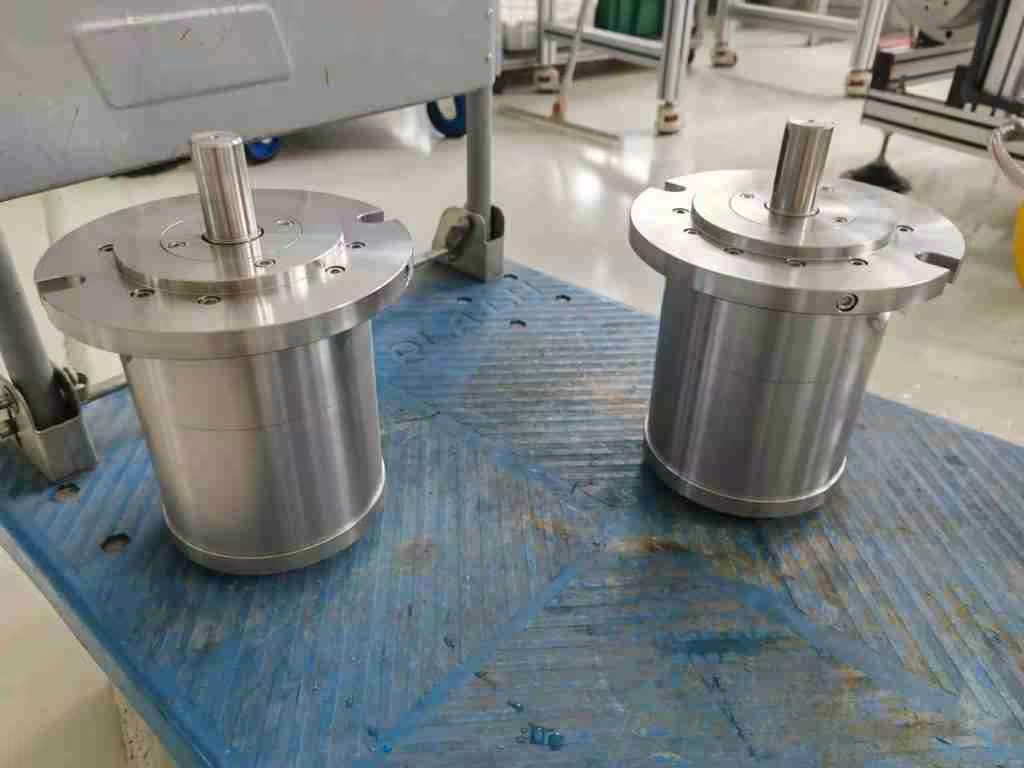
Keep inlet supply and filtration stable as the plant runs
Water lubricates and cools the internal pumping components, so inlet conditions directly affect operating life. Measure the pressure after the inlet filter, close to the pump, while water is flowing. An upstream gauge can remain reassuringly high even as filter loading reduces the pressure available at the pump.
Some HPS catalogue groups list a continuous inlet range starting at 0.5 barg, with a footnote requiring at least 2 barg at maximum speed; other groups list 2–5 barg. These entries must stay with their models and speed conditions. For installation planning, our installation and maintenance guide recommends a 2.5–5 bar inlet supply. Use the instructions applicable to the supplied unit when setting the booster and low-pressure protection; do not adopt the lowest catalogue value as a universal site setting.
The same guide specifies 10 μm filtration with β10 > 5000. A nominal micron label alone does not establish filtration efficiency. Size the filter and inlet pipework for the required flow and account for the pressure loss as the element loads. This keeps particle control from creating an inlet restriction.
HPS models include an integrated flush valve for fresh-water flushing after seawater operation. Some HPH groups also include this feature, so it is not exclusive to HPS. The flushing route, available water and shutdown sequence need to suit the package. Detailed installation, flushing and service procedures belong in the unit’s operating instructions.
Why the pump configuration matters over its working life
Oil-free, water-lubricated operation removes the need for a pump oil circuit and its associated oil-contamination route. The multi-plunger axial design provides low-pulsation flow. Together with suitable speed, supports and pipe connections, this helps build a compact, quiet RO package.
The HPS 0.6–1.0 catalogue lists 74 dB(A) at 1 m under its stated maximum-pressure and maximum-speed conditions. The installed unit’s sound level also depends on the motor, base and pipework. Flexible connections and vibration isolation help prevent pump vibration from being carried into the skid.
Rohre pumps serve OEMs and integrators in over 40 countries, with applications including seawater desalination and high-pressure water mist. The engineering value is a configuration that fits the duty and can be supported throughout operation: suitable materials, accessible service components, spare-parts planning and practical installation support.
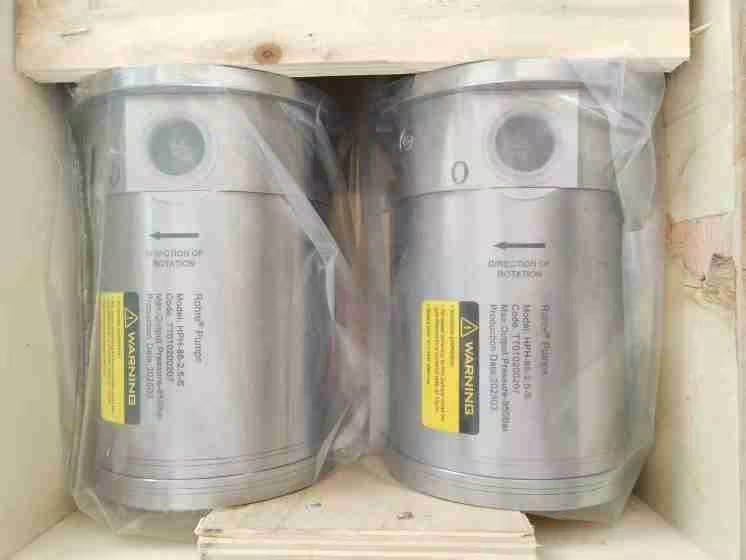
Replacing an existing pump without redesigning the whole skid
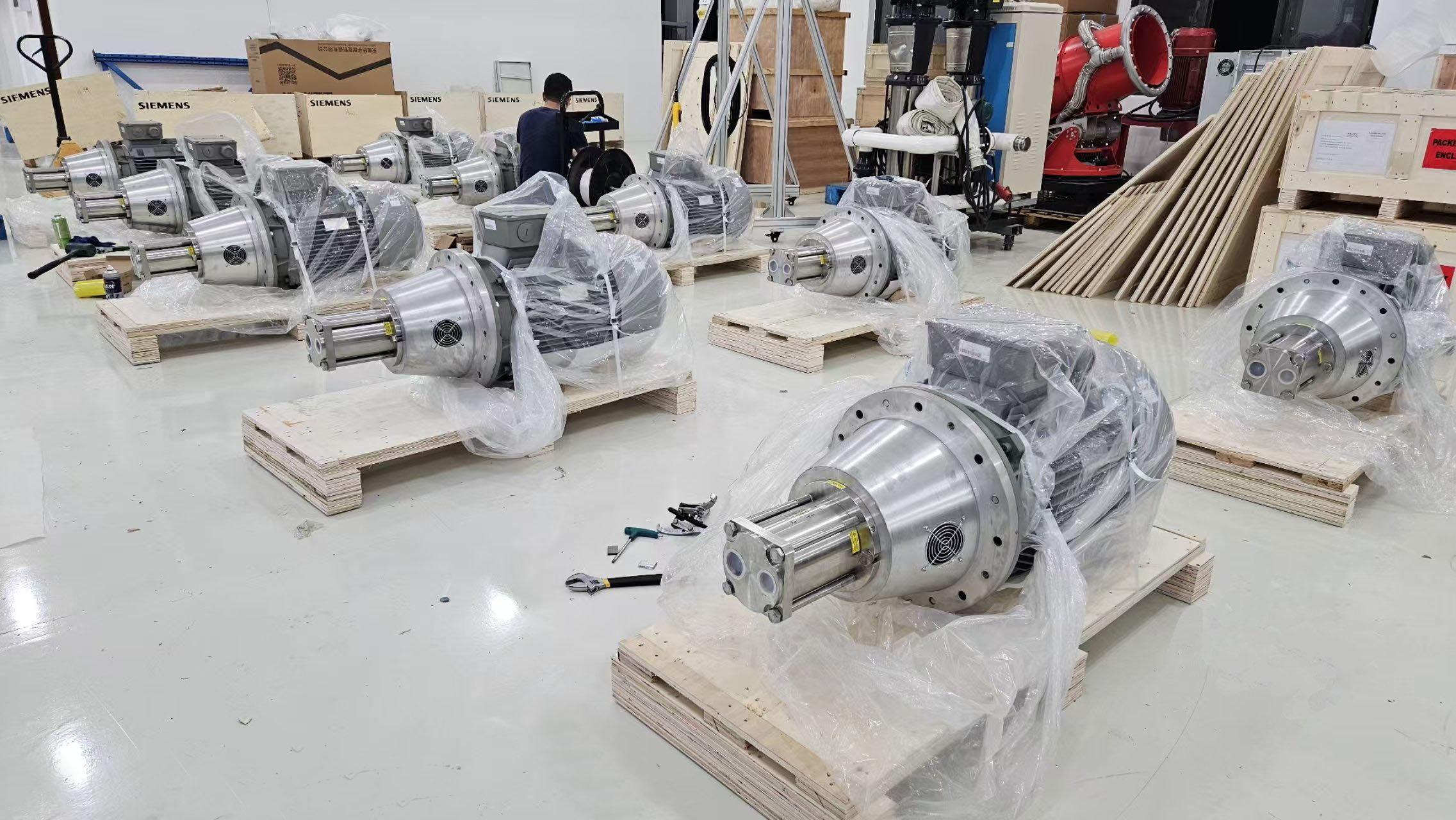
For a Danfoss or other existing pump replacement, we first match the water, actual duty and operating cycle. We then compare mounting, shaft connection, port threads and orientation with the installed arrangement. This identifies which parts can remain and where a coupling, bell housing or connection adapter is needed.
If the existing motor meets the new pump’s speed and shaft-power requirement, retaining it can reduce integration cost. If its operating range or interfaces do not fit, the quotation can include the required changes. This makes the comparison useful to an OEM: the total cost of the working replacement, alongside the pump price.
We provide technical data sheets, CAD drawings, 3D models and interface support for integration, with online or onsite installation and maintenance training. Our modular parts support servicing and repeat supply. For water-mist packages and semiconductor HPT replacements, we apply the same interface review to the relevant application rather than assuming an RO configuration transfers unchanged.
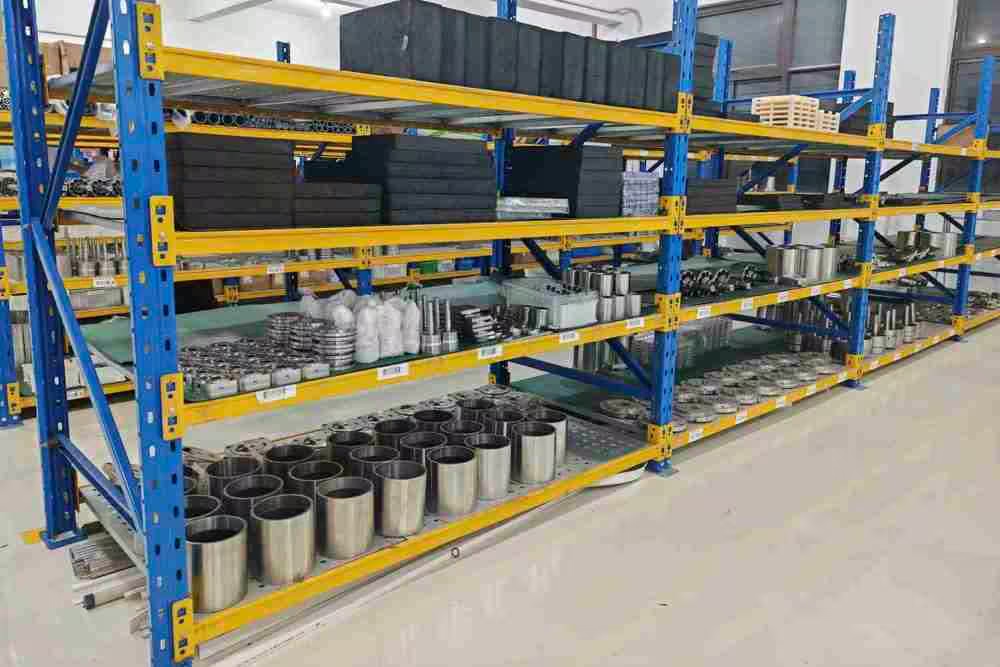
Cost, delivery and support for OEM projects
Long delivery times, expensive spare parts and slow technical responses can affect an RO project as much as pump purchase price. Rohre offers an alternative to established brands with competitive pump and spare-parts costs, engineering support and delivery in weeks rather than months. We work with your preferred motor and drive configuration and support sample evaluation before repeat orders.
The delivery period in our quotation is based on order placement, drawing approval and receipt of the deposit. If the project needs an earlier date, we can discuss expedited production and confirm the available arrangement. Repeat orders can retain the approved configuration, helping your team plan assembly and spare-parts support.
Start with your RO duty or existing pump model
For a new skid, send the water analysis and required pump flow and pressure. If there is an ERD or recirculation branch, include the flow diagram so we can identify the pump duty correctly. For a replacement, start with the existing model or nameplate, operating duty and motor details. We can then work through the HPH/HPS selection and the parts you want to retain.
Send your pump duty · Discuss a sample or replacement with Rohre · marketing@cncontrolvalve.com
Technical references
Rohre HPR/H 8–12.5 data sheet, page 2: pressure range, speed, media temperature and flushing configuration. See also the HPH model tables for the different group limits.
Rohre HPS catalogue, pages 2, 12 and 17: model-specific pressure, speed, flow, motor selection, housing material and inlet conditions. The flow comparison above uses page 12. Rohre installation, operation and maintenance guide: inlet arrangement, filtration, mounting and service.